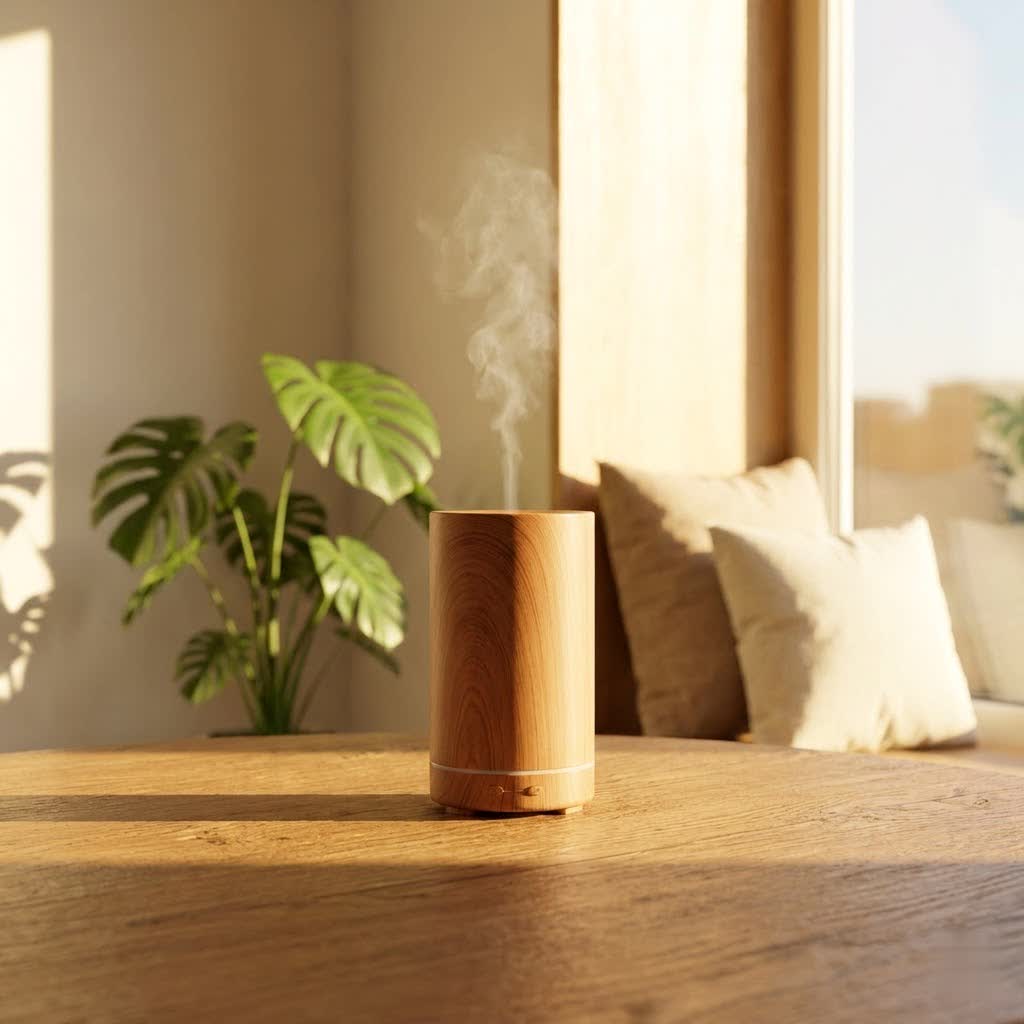
Struggling to find restful sleep in today’s demanding world? You’re not alone. Many search for natural, effective ways to unwind and embrace deeper slumber. This comprehensive guide, informed by over a decade of experience in aromatherapy and diffuser technology, is designed to help you navigate the world of aroma diffusers, revealing how these simple devices can transform your nightly routine and lead you to a more tranquil, restorative night’s sleep. We’ll explore everything from their mechanisms and benefits to selecting the perfect model and maintaining it for optimal performance.
Understanding Aroma Diffusers and Their Role in Relaxation
Aroma diffusers are more than just devices that make your space smell pleasant; they are tools that can significantly enhance your environment for well-being. At their core, an aroma diffuser disperses essential oils into the air, allowing you to experience their therapeutic benefits through the sense of smell. This olfactory route directly influences the brain’s limbic system, which controls emotions, memory, and mood, making it a powerful pathway for promoting relaxation and preparing the mind and body for sleep. For home fragrance buying guides on this site.
The journey of aroma diffusion has evolved from ancient practices of burning herbs to today’s sophisticated devices. Modern diffusers offer efficient and safe ways to enjoy aromatherapy. While many types exist, those designed for sleep often prioritize quiet operation and consistent, gentle diffusion.
The most common types of aroma diffusers include:
- Ultrasonic Diffusers: These use electronic frequencies to create vibrations that break down a mixture of water and essential oils into a fine, cool mist. They are typically very quiet and often double as humidifiers, which can be beneficial in dry environments.
- Nebulizing Diffusers: Utilizing an air pump, nebulizers atomize pure essential oils into a concentrated mist without using water or heat. They produce a stronger aroma but can be a bit noisier and consume more oil.
- Evaporative Diffusers: These diffusers use a fan to blow air across a pad or filter containing essential oil, causing it to evaporate into the air. The scent can be less potent and dissipates quickly.
- Heat Diffusers: These devices use heat to evaporate essential oils. While simple, high heat can sometimes alter the therapeutic properties of the oils.
For promoting sleep, ultrasonic and nebulizing diffusers are generally preferred due to their effectiveness in dispersing therapeutic aromas and, in the case of ultrasonic models, their quiet operation.
The Restorative Benefits of Aroma Diffusers for Sleep
Integrating an aroma diffuser into your nightly routine offers a wealth of benefits that extend far beyond simply making your bedroom smell nice. These devices actively contribute to creating an optimal environment for deep, uninterrupted sleep.
- Promotes Deep Relaxation and Reduces Stress: The inhalation of specific essential oils can trigger the parasympathetic nervous system, helping to lower blood pressure, slow the heart rate, and calm anxious thoughts. This signals to your body that it’s time to unwind, mitigating the daily stress response that often interferes with falling asleep.
- Enhances Sleep Quality: Studies suggest that certain essential oils, like lavender, can increase the amount of deep sleep experienced. By fostering a serene atmosphere, diffusers help you fall asleep faster and achieve a more restorative slumber, crucial for physical and psychological equilibrium.
- Establishes a Powerful Bedtime Cue: Consistency is key for a healthy sleep cycle. By diffusing the same calming scent every night, you can train your brain to associate that specific aroma with relaxation and sleep. Over time, simply smelling the scent can act as a powerful signal to your body that it’s time to prepare for rest.
- Natural Alternative to Sleep Aids: For those seeking non-pharmacological solutions, aroma diffusers offer a gentle, non-invasive alternative to traditional sleep aids. Essential oils provide a natural way to enhance sleep quality without the potential side effects or dependencies associated with some medications.
- Subtle Air Quality Improvement: Many ultrasonic diffusers also add a touch of humidity to the air, which can be beneficial in dry climates or during colder months, helping to soothe respiratory passages. Some essential oils also possess antimicrobial properties that can subtly contribute to a healthier atmosphere.
Key Factors to Consider When Choosing Your Sleep Aroma Diffuser
Selecting the right aroma diffuser for your sleep sanctuary involves more than just picking a pretty design. Several critical factors contribute to its effectiveness and your overall satisfaction.
Diffuser Type: The Right Mechanism for Rest
|
Our Picks for the Best Aroma Diffuser in 2026
As an Amazon Associate I earn from qualifying purchases.
|
||
| Num | Product | Action |
|---|---|---|
| 1 | ASAKUKI Smart Wi-Fi Essential Oil Diffuser, App and Voice Control Compatible with Alexa, 500ml Aromatherapy Humidifier, Valentine's Gift for Relaxing Atmosphere in Home Office Bedroom (Light Brown) |

|
| 2 | ASAKUKI 300ML Essential Oil Diffuser, Quiet 5-in-1 Premium Humidifier, Home Fragrance Aroma Diffuser with 7 LED Color Changing Light and Auto-Off Switch -Light Brown |
|
| 3 | ASAKUKI Essential Oil Diffuser 500ml, Ultrasonic Aromatherapy Humidifier with Remote Control, 7 LED Colors, Timer & Auto-Off, Large Room Diffuser Valentine's Gift (Yellow) |
|
| 4 | InnoGear Essential Oil Diffuser, Ultrasonic Diffusers for Home Aromatherapy Humidifier for Bedroom Room 7 Colors LED 2 Mist Mode Auto Off, Basic White |
|
| 5 | Pura Plus Smart Home Fragrance Diffuser for Large Spaces - Adjust Scent Intensity, Set Schedules & Timers, and More in Pura App - Fragrances Sold Separately - White |
|
| 6 | Aromatherapy Essential Oil Home Diffuser with Remote Control, 300ML Large Room Cool Mist Air Humidifier, 8 Hours Quiet Operation, Timer, 7 Colors LED Night Night,Suitable Home,Yoga. |
|
| 7 | ASAKUKI Essential Oil Diffuser 500ml, Ultrasonic Aromatherapy Humidifier with Remote Control, 7 LED Colors, Timer & Auto-Off, Large Room Diffuser Valentine's Gift (White) |
|
| 8 | Pure Enrichment® PureSpa™ Essential Oil Diffuser - Compact Ultrasonic Aromatherapy Diffuser, Natural Air Deodorizer, 100ml Water Tank, and Optional Mood Light - Lasts Up to 7 Hours with Auto Shut-Off |
|
| 9 | SALKING Essential Oil Diffuser, 100ml Small Aromatherapy Diffuser with Auto Shut-Off Function, Ultrasonic Diffusers for Essential Oils, Cool Mist Humidifier with Warm White Lights, for Office Home |
|
| 10 | HealthSmart 500ML Essential Oil Diffuser for Large Rooms, Cool Mist Humidifier and Aromatherapy Diffuser, Adjustable Timer, Mist Mode and 7 LED Light Colors, White (Pack of 1) |
|
While all diffusers disperse scent, their methods vary.
- Ultrasonic diffusers are often the top choice for bedrooms due to their whisper-quiet operation and ability to create a fine, cool mist that also adds humidity. This dual function is excellent for comfort, especially in dry environments.
- Nebulizing diffusers offer a potent, pure oil diffusion without water. If you prioritize a stronger therapeutic effect and don’t mind a subtle whirring sound, a nebulizer might be suitable, but ensure it has a timer and auto-shutoff.
- Evaporative and Heat diffusers are generally less ideal for consistent, therapeutic sleep environments as they can be less efficient or alter oil properties.
Room Size and Coverage Area
Consider the square footage of your bedroom. Diffusers are rated for specific coverage areas. A small diffuser might be overwhelmed in a large master bedroom, while an overly powerful one could make a small space cloying. Match the diffuser’s capacity to your room size for optimal scent dispersion.
Water Tank Capacity and Run Time
For overnight use, a larger water tank is beneficial, allowing for longer continuous operation. Many sleep-specific diffusers offer 8 to 12 hours of run time, ensuring the aroma lasts through the night, or at least for a significant portion of it. Look for models with an auto-shutoff feature for safety and peace of mind when the water level runs low.
Material Quality and Safety
Prioritize diffusers made from safe, non-toxic materials. BPA-free plastics, ceramic, and glass components are excellent choices that prevent harmful chemicals from being released into your sleeping environment. High-quality construction also ensures durability.
Noise Level: Silence is Golden for Sleep
This is paramount for a bedroom diffuser. A “whisper-quiet” rating (ideally below 30 dB) is essential to avoid any distracting hums or gurgles that could disrupt your sleep. Many modern ultrasonic diffusers are designed to be almost imperceptible.
Essential Features for a Restful Experience
- Timers: Essential for controlling diffusion duration. Look for options like 1, 2, 3 hours, or intermittent settings (e.g., 30 seconds on, 30 seconds off) to prevent olfactory fatigue and ensure the diffuser doesn’t run all night if you prefer.
- Auto-Shutoff: A crucial safety feature that turns the diffuser off when water runs out.
- LED Lights: Many diffusers include ambient LED lighting. For sleep, ensure these lights are dimmable, offer warm, soothing colors, or, most importantly, can be turned off completely. Bright indicator lights can also be disruptive.
- Remote Control or App Connectivity: These add convenience, allowing you to adjust settings without leaving your bed. Some smart diffusers integrate with home assistants or offer custom scheduling.
- Humidifier Function: As mentioned, ultrasonic diffusers often provide this. It’s a nice bonus if you struggle with dry air.
Aesthetic Appeal
While functionality is key, the diffuser’s design also matters in your personal space. Many brands offer elegant, minimalist designs made with ceramic, wood, or frosted glass that can seamlessly blend with your bedroom decor, adding a touch of tranquility even when not in use.
Price and Warranty
Diffusers range from budget-friendly options to luxury models. Determine your budget and compare features accordingly. A reputable brand often offers a warranty, providing assurance in your investment.
Soothing Scents: The Best Essential Oils for Sleep
The true magic of an aroma diffuser for sleep lies in the essential oils you choose. Certain oils possess specific properties that can significantly enhance relaxation and promote a restful night.
- Lavender (Lavandula angustifolia): The undisputed champion of sleep aromatherapy. Its calming and relaxing properties are well-researched, helping to lower heart rate, reduce anxiety, and promote deep sleep.
- Roman Chamomile (Chamaemelum nobile): With its sweet, herbaceous aroma, Roman Chamomile is profoundly soothing. It helps to calm the mind, ease stress, and can feel like a comforting embrace before bed.
- Sandalwood (Santalum album): Known for its earthy, woody, and warm scent, Sandalwood helps to ground anxious thoughts, relieve tension, and create a tranquil atmosphere conducive to winding down.
- Bergamot (Citrus bergamia): This uplifting yet calming citrus oil has sedative properties that can reduce agitation and prepare the mind for rest. Ensure it’s a “bergaptene-free” variety if applying topically, though diffusion is generally safe for all types.
- Cedarwood (Juniperus virginiana): Cedarwood has a woody, warm aroma that is particularly calming for the brain. Its unique chemical compounds can promote deeper sleep.
- Ylang-Ylang (Cananga odorata): This exotic, floral essential oil can encourage emotional balance and reduce feelings of stress and agitation, gently leading you towards slumber.
- Patchouli (Pogostemon cablin): While a strong, earthy scent, patchouli can be incredibly grounding and relaxing, particularly beneficial for those experiencing anxiety. Use just a few drops or blend it with lighter oils.
- Sweet Orange (Citrus sinensis): A universally loved oil, Sweet Orange not only boosts mood but also has calming effects, helping to soothe the sympathetic nervous system and create a cheerful, yet relaxing, ambiance.
Many find pre-blended essential oil mixes specifically formulated for sleep to be convenient. When using individual oils, you can also experiment with creating your own blends, such as lavender and Roman chamomile, or cedarwood and bergamot, to discover what works best for your unique needs.
Comparing Popular Diffuser Types for a Restful Night
Here’s a quick comparison of the most common diffuser types and their suitability for enhancing sleep:
| Diffuser Type | Mechanism | Pros for Sleep | Cons for Sleep | Ideal For |
|---|---|---|---|---|
| Ultrasonic | Water + essential oil vibrated into cool mist | Very quiet, humidifies air, gentle scent, auto-shutoff common | Requires water refills, can leave residue if not cleaned, scent can be subtle | Most bedrooms, dry climates, those sensitive to noise, long run times |
| Nebulizing | Pure essential oil atomized by compressed air | Strong, pure scent, no water/mold risk, often timer-controlled | Can be noisier, consumes more oil, no humidification, typically more expensive | Larger rooms, potent therapeutic effect, those who prefer waterless diffusion |
| Evaporative | Fan blows air over essential oil pad/filter | Simple, no water needed | Scent dissipates quickly, less therapeutic, fan noise | Small spaces, short-term scent, not ideal for therapeutic sleep |
| Heat | Gentle heat evaporates essential oils | Silent, no water | Heat can alter oil properties, less effective for therapeutic benefits | Ambient scent, not recommended for therapeutic sleep support |
Top Aroma Diffuser Brands and Models for Promoting Sleep
Based on features crucial for a good night’s rest—like quiet operation, effective diffusion, and thoughtful design—several brands consistently stand out.
- NEOM Wellbeing Pod Luxe: Often lauded as a premium choice for sleep, this ultrasonic diffuser features a guided breathing mode with a subtly brightening and dimming light, helping you ease into meditation before sleep. Its elegant ceramic cover and 12-hour capacity make it ideal for prolonged, calming diffusion in larger bedrooms.
- Vitruvi Stone Diffuser: A favorite for its minimalist aesthetic and functionality, the Vitruvi Stone Diffuser offers a matte ceramic design that blends seamlessly into any decor. It’s an ultrasonic model with a BPA-free plastic reservoir, providing up to 8 hours of run time and an optional ambient LED light that can be turned off completely—a key feature for light sleepers.
- Asakuki Rock Essential Oil Diffuser: Known for being whisper-quiet (often under 23 dB), this ultrasonic diffuser is a popular and affordable option. It typically includes multiple misting modes, various LED light colors (which can be turned off), a remote control, and a timer function (1, 2, or 3 hours) with automatic shut-off, making it highly versatile for a sleep environment.
- Saje Aroma Om Deluxe Stone Diffuser: This ultrasonic diffuser boasts an impressive run time of up to 22 hours, making it perfect for all-night diffusion. Made with concrete and BPA-free plastic, it features a quiet operation and an LED light, combining robust performance with an appealing design.
- Canopy Waterless Diffuser: For those who prefer a mist-less experience, the Canopy Waterless Diffuser uses fan settings to disperse scent. It operates quietly with lights that automatically turn off, ensuring no disturbance for sleep. This model is praised for its minimalistic design and effectiveness in scenting a room discreetly.
When considering these models, remember to align their features with your personal sleep preferences—whether it’s absolute silence, smart home integration, or specific aesthetic requirements.
How to Use and Maintain Your Sleep Aroma Diffuser
To maximize the benefits of your aroma diffuser for sleep and ensure its longevity, proper usage and consistent maintenance are crucial.
Correct Usage for Optimal Sleep
- Placement: Position your diffuser on a flat, stable surface in your bedroom, ideally elevated (like a nightstand or dresser) to allow for better scent dispersion. Ensure it’s in a well-ventilated area, but not directly under a vent or fan that might dissipate the mist too quickly.
- Water and Essential Oils: For ultrasonic diffusers, fill the water reservoir to the indicated line with clean, preferably filtered water to prevent mineral buildup. Add 5-10 drops of your chosen sleep-inducing essential oil(s). Adjust the number of drops based on room size and desired scent intensity—less is often more to avoid overwhelming the senses.
- Timing: For sleep, running the diffuser for 30 minutes to an hour before bedtime can help establish a calming atmosphere. Many experts suggest using an intermittent setting (e.g., 30 minutes on, 2 hours off) or a timer that shuts the diffuser off after 1-3 hours to avoid olfactory fatigue and potential over-inhalation of oils throughout the entire night. While some diffusers can run all night, turning it off once you’re asleep can be a safer approach for both electrical reasons and avoiding prolonged exposure to concentrated oils.
- Consistency: Incorporate your diffuser into a consistent nightly routine. Over time, your brain will associate the specific scent with the act of winding down, reinforcing your natural sleep cues.
Cleaning and Maintenance for Durability and Hygiene
Regular cleaning is vital to prevent mineral buildup, mold, or bacterial growth, which can affect diffuser performance and air quality.
- Empty and Wipe After Each Use (or Every Few Uses): After each session, especially with ultrasonic diffusers, empty any remaining water and oil mixture. Wipe the reservoir and lid with a clean, damp cloth.
- Deep Clean Regularly: Perform a deeper clean every few days or before switching essential oils to prevent cross-contamination.
- For Ultrasonic Diffusers: Unplug the diffuser. Fill the reservoir halfway with clean water and add a teaspoon of white vinegar. Run the diffuser for about 10-15 minutes in a well-ventilated room. Then, drain the water, and use a cotton swab dipped in rubbing alcohol to gently clean the ultrasonic disc and other hard-to-reach areas. Rinse thoroughly and let it air dry.
- For Nebulizing Diffusers: Since they use pure oil, they can be cleaned by adding a small amount of rubbing alcohol to the oil reservoir and running it for a few minutes. Alternatively, soak the glass components in warm, soapy water to dissolve any oil residue.
- Avoid Harsh Chemicals: Do not use abrasive cleaners or harsh chemicals, as these can damage the diffuser’s components.
- Store Properly: If not in use for an extended period, ensure the diffuser is clean and dry before storing it in a cool, dry place.
By following these simple guidelines, your sleep aroma diffuser will continue to be a reliable companion on your journey to better, more restorative sleep.
Where to Purchase Your Ideal Sleep Aroma Diffuser
Finding the right aroma diffuser for sleep can be a seamless experience with the variety of purchasing options available today.
- Online Retailers: Major online marketplaces like Amazon, Walmart, and specialty aromatherapy sites are popular choices, offering extensive selections, competitive pricing, and user reviews. This allows for easy comparison of models, features, and brands from the comfort of your home.
- Specialty Health and Wellness Stores: Stores focusing on natural health products, essential oils, or home goods often carry a curated selection of diffusers. Shopping here provides the benefit of knowledgeable staff who can offer personalized recommendations and allow you to see and feel the product.
- Brand Websites: Many reputable diffuser brands sell directly from their own websites, sometimes offering exclusive models, bundles with essential oils, and comprehensive customer support.
Tips for Online Purchasing:
When buying online, pay close attention to:
- Detailed Product Descriptions: Check for specifications like tank capacity, run time, noise level, materials, and specific features (timers, LED options).
- Customer Reviews: Read reviews focusing on aspects important for sleep, such as quietness, ease of use, and effectiveness in promoting relaxation.
- Return Policies and Warranties: Ensure the retailer or brand offers a clear return policy and a warranty in case the product doesn’t meet your expectations.
Your Personalized Buying Guide for a Restful Night
Choosing the perfect aroma diffuser for enhancing your sleep doesn’t have to be complicated. By focusing on your personal needs and preferences, you can make an informed decision that brings tranquility to your bedroom.
- Define Your Needs: Begin by considering your primary goal. Are you looking for subtle ambiance, potent therapeutic effects, or a combination? Do you need humidification, or do you prefer a waterless option?
- Prioritize Quiet Operation: For sleep, noise is the enemy. Opt for ultrasonic diffusers known for their quiet operation, or nebulizers that explicitly state low noise levels.
- Assess Room Size: Match the diffuser’s coverage area to your bedroom’s dimensions to ensure effective scent distribution without being overwhelming.
- Look for Sleep-Specific Features: Timers (1-3 hours), auto-shutoff, and the ability to turn off all lights are non-negotiable for a sleep-friendly diffuser. Remote control or app functionality can also enhance convenience.
- Consider Materials: Choose diffusers made from high-quality, non-toxic materials like BPA-free plastic or ceramic for a healthier environment.
- Read Reviews and Compare: Leverage online reviews to gauge real-world performance, particularly regarding noise and durability. Compare models across different brands and price points.
- Factor in Maintenance: Consider how easy the diffuser is to clean. Simple designs often lead to easier upkeep, ensuring hygienic use.
By following these steps, you’ll be well-equipped to select an aroma diffuser that seamlessly integrates into your nighttime routine, guiding you towards the peaceful, restorative sleep you deserve.
Conclusion
Embracing the power of scent through an aroma diffuser is a simple yet profound way to transform your sleep environment. From promoting deep relaxation and reducing stress to establishing powerful bedtime cues, the right aroma diffuser, paired with carefully selected essential oils, can be a cornerstone of a truly restful night. By considering factors like diffuser type, quietness, and intelligent features, you can unlock a world of tranquility and wake up feeling refreshed and revitalized. Ready to drift off to dreamland with the gentle embrace of calming aromas?
Frequently Asked Questions
Are aroma diffusers truly effective for improving sleep?
Yes, aroma diffusers can be very effective for improving sleep. They work by dispersing essential oils known for their calming properties, such as lavender and chamomile, into the air. Inhaling these scents can help reduce stress, lower heart rate, and signal to your brain that it’s time to relax, thereby promoting faster and deeper sleep.
Which essential oils are best to use in an aroma diffuser for sleep?
For sleep, some of the most highly recommended essential oils include lavender, Roman chamomile, sandalwood, bergamot, and cedarwood. These oils are known for their calming, soothing, and stress-reducing properties, which are ideal for creating a tranquil bedtime atmosphere.
Is it safe to leave an aroma diffuser running all night?
While many diffusers have long run times and auto-shutoff features, it’s generally recommended to use a timer setting (1-3 hours) rather than running it continuously all night. This prevents over-inhalation of concentrated essential oils and addresses potential electrical safety concerns, ensuring a safer and more effective aromatherapy experience for sleep.
How often should I clean my sleep aroma diffuser?
You should clean your aroma diffuser regularly, ideally after every few uses or when switching essential oils. For ultrasonic diffusers, this involves emptying the water, wiping the reservoir, and periodically performing a deeper clean with white vinegar and rubbing alcohol to prevent mineral buildup, mold, and bacterial growth.
Can aroma diffusers help with snoring or other sleep disorders?
While aroma diffusers can create a relaxing environment and may subtly aid respiratory comfort (especially ultrasonic models adding humidity), they are not a medical treatment for snoring or diagnosed sleep disorders like sleep apnea. Always consult a healthcare professional for specific medical conditions.
What’s the difference between an ultrasonic and a nebulizing diffuser for sleep?
An ultrasonic diffuser uses water to create a cool mist of essential oils and is typically very quiet, making it ideal for bedrooms. A nebulizing diffuser uses pure essential oil without water, producing a stronger, more concentrated aroma, but can be slightly noisier and consume more oil. For sleep, ultrasonic is often preferred for its quiet operation and gentle mist.
Get our weekly buyer guide
Practical specs, not advice. Unsubscribe anytime.
