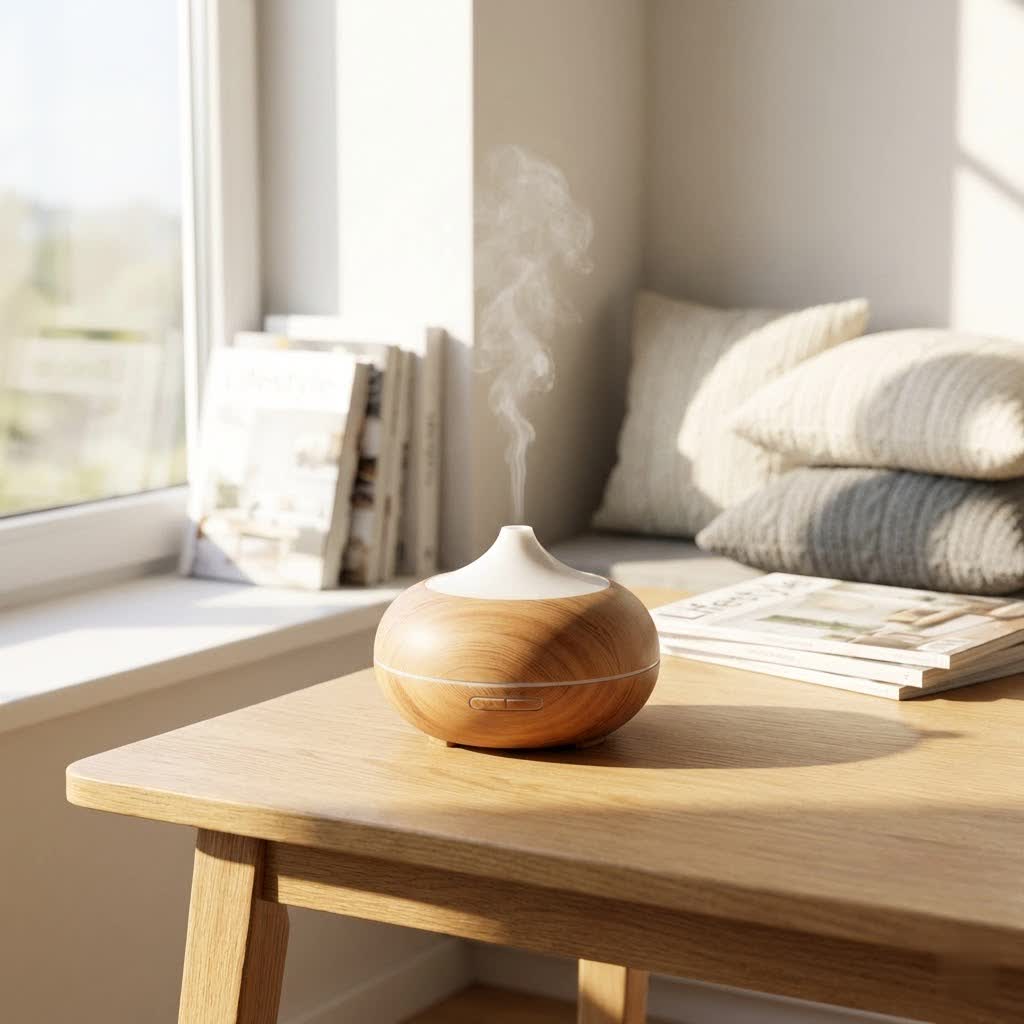
Step into a space where the air is perfectly balanced, neither too dry nor too damp, and a subtle, inviting fragrance envelops you. This isn’t just a dream; it’s the reality that a humidifier and aroma diffuser can create in your home or office. These versatile devices are more than mere appliances; they are gateways to improved health, enhanced mood, and a sanctuary of comfort. Whether you’re battling dry indoor air, seeking to infuse your environment with calming scents, or desiring a harmonious blend of both, understanding the world of humidifiers and aroma diffusers is the first step toward transforming your living space.
Understanding Humidifiers and Aroma Diffusers: What’s the Difference?
While often confused due to their mist-producing capabilities, humidifiers and aroma diffusers serve distinct primary purposes. Knowing these differences is key to choosing the right device for your needs.
What is an Aroma Diffuser?
An aroma diffuser, primarily designed for aromatherapy, disperses essential oils into the air. These devices use various technologies to break down essential oils into fine particles, creating a fragrant mist that fills your space. The main goal of an aroma diffuser is to deliver the therapeutic benefits of essential oils, such as stress reduction, mood elevation, and improved sleep. They typically have smaller water reservoirs and their mist output is usually not sufficient to significantly alter a room’s humidity level.
The common types of aroma diffusers include:
- Ultrasonic Diffusers: These use high-frequency vibrations to create a fine mist from water and essential oil. They are generally quiet and can offer a subtle humidifying effect.
- Nebulizing Diffusers: Operating without water, these diffusers use air pressure to atomize pure essential oils into a potent, concentrated mist. They are ideal for larger spaces or when a stronger scent is desired, though they can be noisier and use essential oils more quickly.
- Evaporative Diffusers: A fan blows air through a pad or filter soaked with essential oils, causing the oil to evaporate and disperse the scent. Reed diffusers also fall under this category, relying on natural evaporation.
- Heat Diffusers: These gently heat essential oils to release their aroma. They are often silent but can alter the therapeutic properties of some essential oils.
What is a Humidifier?
A humidifier, on the other hand, is specifically engineered to increase the humidity (moisture level) in a room. Dry air, especially prevalent in winter or in air-conditioned environments, can lead to various discomforts like dry skin, irritated nasal passages, scratchy throats, and static electricity. Humidifiers work by releasing water vapor into the air to alleviate these symptoms and maintain a healthier indoor environment. They typically feature larger water tanks to sustain longer operating times.
Key types of humidifiers include:
- Cool Mist Humidifiers: These release a cool, invisible mist.
- Ultrasonic Humidifiers: Similar to ultrasonic diffusers, they use high-frequency vibrations but are designed for greater moisture output. Many modern ultrasonic humidifiers include a separate tray for essential oils.
- Evaporative Humidifiers: A fan blows air over a wet wick filter, causing water to evaporate. These are often self-regulating in terms of humidity output.
- Warm Mist Humidifiers (Steam Vaporizers): These boil water to produce a warm, sterile steam. They can be soothing for cold symptoms but pose a burn risk due to hot water.
Key Differences and Similarities
|
Our Picks for the Best Aroma Diffuser in 2026
As an Amazon Associate I earn from qualifying purchases.
|
||
| Num | Product | Action |
|---|---|---|
| 1 | ASAKUKI Essential Oil Diffuser 500ml, Ultrasonic Aromatherapy Humidifier with Remote Control, 7 LED Colors, Timer & Auto-Off, Large Room Diffuser Valentine's Gift (White) |

|
| 2 | ASAKUKI Essential Oil Diffuser 500ml, Ultrasonic Aromatherapy Humidifier with Remote Control, 7 LED Colors, Timer & Auto-Off, Large Room Diffuser Valentine's Gift (Yellow) |
|
| 3 | Pure Enrichment® PureSpa™ Essential Oil Diffuser - Compact Ultrasonic Aromatherapy Diffuser, Natural Air Deodorizer, 100ml Water Tank, and Optional Mood Light - Lasts Up to 7 Hours with Auto Shut-Off |
|
| 4 | HealthSmart 500ML Essential Oil Diffuser for Large Rooms, Cool Mist Humidifier and Aromatherapy Diffuser, Adjustable Timer, Mist Mode and 7 LED Light Colors, White (Pack of 1) |
|
| 5 | ASAKUKI Smart Wi-Fi Essential Oil Diffuser, App and Voice Control Compatible with Alexa, 500ml Aromatherapy Humidifier, Valentine's Gift for Relaxing Atmosphere in Home Office Bedroom (Light Brown) |
|
| 6 | SALKING Essential Oil Diffuser, 100ml Small Aromatherapy Diffuser with Auto Shut-Off Function, Ultrasonic Diffusers for Essential Oils, Cool Mist Humidifier with Warm White Lights, for Office Home |
|
| 7 | Pura Plus Smart Home Fragrance Diffuser for Large Spaces - Adjust Scent Intensity, Set Schedules & Timers, and More in Pura App - Fragrances Sold Separately - White |
|
| 8 | InnoGear Essential Oil Diffuser, Ultrasonic Diffusers for Home Aromatherapy Humidifier for Bedroom Room 7 Colors LED 2 Mist Mode Auto Off, Basic White |
|
| 9 | ASAKUKI 300ML Essential Oil Diffuser, Quiet 5-in-1 Premium Humidifier, Home Fragrance Aroma Diffuser with 7 LED Color Changing Light and Auto-Off Switch -Light Brown |
|
| 10 | Aromatherapy Essential Oil Home Diffuser with Remote Control, 300ML Large Room Cool Mist Air Humidifier, 8 Hours Quiet Operation, Timer, 7 Colors LED Night Night,Suitable Home,Yoga. |
|
Understanding the distinct functions and operational mechanisms of these devices is crucial for making an informed choice.
| Feature | Humidifier | Aroma Diffuser |
|---|---|---|
| Primary Purpose | Adds moisture to the air | Disperses essential oils for fragrance and aromatherapy |
| Main Benefit | Relieves dry air discomforts (dry skin, congestion, sore throat) | Enhances mood, reduces stress, promotes relaxation, creates pleasant aroma |
| Mist Output | Significant, designed to alter room humidity | Minor, not intended to significantly change room humidity |
| Water Tank Size | Generally larger (1-gallon+) | Typically smaller (under 1 liter) |
| Essential Oils | Only in models with dedicated essential oil trays/compartments; otherwise, can damage the unit | Primary function is to use essential oils |
| Material Durability | Main water tank often made of ABS plastic, not resistant to essential oils | Container typically made of PP or aluminum, resistant to essential oil corrosion |
| Aesthetics | Often functional, larger | Often decorative, compact, with varying designs and LED features |
The Multifaceted Benefits of a Humidifier and Aroma Diffuser
Both humidifiers and aroma diffusers contribute significantly to well-being, but their combined use or the selection of a hybrid device unlocks a broader spectrum of advantages.
Health and Wellness Advantages
Proper humidity levels from a humidifier can drastically improve respiratory comfort, particularly during dry seasons or for individuals prone to congestion, colds, or sinus issues. Humidifiers add essential moisture to the air, which can alleviate dry coughs, sore throats, and even reduce snoring by keeping nasal passages moist. Moreover, humidified air can promote healthier, more supple skin and soothe dry eyes and chapped lips.
When you introduce aromatherapy through an aroma diffuser, you tap into the powerful world of essential oils. Depending on the oil used, you can experience:
- Stress Reduction and Mood Enhancement: Lavender, frankincense, and bergamot can create a calming atmosphere, helping to reduce anxiety and uplift spirits.
- Improved Sleep Quality: Scents like lavender and chamomile are renowned for their sleep-inducing properties, promoting deeper and more restorative rest.
- Enhanced Focus and Energy: Peppermint and lemon essential oils can boost alertness and concentration, making them ideal for work or study environments.
- Air Purification (indirectly): Some ultrasonic diffusers produce negative ions that can help neutralize pollutants, while certain essential oils like tea tree and eucalyptus possess antimicrobial properties that can help cleanse the air.
Enhancing Your Environment
Beyond health benefits, these devices play a crucial role in creating an optimal living environment. A humidifier prevents wood furniture from cracking and keeps houseplants thriving, while an aroma diffuser transforms the ambiance of any room. You can eliminate stale odors, welcome guests with a pleasant scent, or create a spa-like retreat in your bathroom. The aesthetic appeal of many diffusers, often featuring sleek designs and ambient LED lighting, also adds a decorative touch to your home decor.
Navigating Your Choices: Standalone Units vs. Combination Devices
Deciding between separate humidifiers and aroma diffusers or opting for a combined unit depends on your specific needs, budget, and desired level of convenience.
Dedicated Aroma Diffusers: Pros and Cons
Standalone aroma diffusers are specialized in delivering potent and consistent fragrance.
- Pros: Often more aesthetically pleasing, offer a wider range of diffusion technologies (nebulizing for pure oil diffusion), generally compact, and optimized purely for scent dispersion.
- Cons: Do not significantly impact room humidity, typically have smaller water capacities requiring more frequent refills if using water-based types.
Dedicated Humidifiers: Pros and Cons
Separate humidifiers excel at their primary function: adding moisture to the air.
- Pros: Larger water tanks for longer runtimes, higher humidification capacity, various mist options (cool/warm), and often equipped with humidistats to regulate humidity levels.
- Cons: Can be larger and less decorative, and most traditional humidifiers are not designed for essential oils, which can damage their plastic components and internal mechanisms if added directly to the water tank.
All-in-One Humidifier and Aroma Diffuser Combos: Benefits and Drawbacks
Modern technology has given rise to hybrid devices that offer both humidification and aromatherapy in a single unit, usually through an essential oil tray or separate compartment.
- Benefits:
- Convenience: One device handles two functions, reducing clutter.
- Space-Saving: Ideal for smaller rooms or minimalist aesthetics.
- Integrated Experience: Enjoy balanced humidity and delightful aromas simultaneously.
- Many models with essential oil trays are typically ultrasonic humidifiers.
- Drawbacks:
- Potential Performance Compromise: Some hybrid units may not perform either function as effectively as dedicated devices. A combo unit’s humidification capacity might be lower than a large, dedicated humidifier, and its scent diffusion might not be as potent as a nebulizing diffuser.
- Cleaning Complexity: Maintaining a single unit for both functions might involve more thorough cleaning to prevent mold or residue buildup from essential oils.
- Essential Oil Compatibility: Crucially, ensure the humidifier has a dedicated essential oil tray or is explicitly designed for aromatherapy. Adding essential oils directly to the main water tank of a regular humidifier can erode plastic parts, clog filters (in evaporative types), and void warranties.
Essential Factors When Choosing Your Ideal Device
Selecting the perfect humidifier or aroma diffuser involves evaluating several key specifications to match your lifestyle and home environment.
- Room Size & Coverage Area: This is paramount. Manufacturers specify the maximum square footage a device can effectively cover. A small diffuser is perfect for a bedroom, while a larger humidifier is needed for an open-plan living area.
- Tank Capacity & Run Time: A larger water tank means longer operation between refills. For overnight use, look for tanks that offer at least 8-12 hours of continuous run time.
- Type of Mist/Diffusion:
- For Humidifiers: Decide between cool mist (ultrasonic or evaporative, safer for children and pets) and warm mist (steam, can be soothing for colds).
- For Diffusers: Consider ultrasonic for a fine mist and subtle scent, or nebulizing for a stronger, purer aroma without water.
- Materials & Safety: For diffusers, look for PP (polypropylene) plastic or ceramic/glass, as essential oils can corrode other plastics. For humidifiers, ensure materials are durable and easy to clean. If a humidifier includes an essential oil function, confirm it has a safe, dedicated compartment.
- Noise Level: If placing the device in a bedroom or office, a “whisper-quiet” or “ultrasonic” model is highly recommended to avoid disruption.
- Additional Features: Modern devices often come with extras like:
- LED lights: For ambiance or as a night light.
- Timers: To set specific operating durations.
- Auto shut-off: A vital safety feature when the water runs low.
- Smart features: App control, integration with smart home systems, humidistat (for humidifiers to maintain a desired humidity level).
- Ease of Cleaning & Maintenance: Regular cleaning is non-negotiable for hygiene and device longevity. Look for models with wide openings, removable parts, and straightforward cleaning instructions. For humidifiers, using distilled water can reduce mineral buildup (“white dust”).
- Budget & Brand Reputation: While price often correlates with features and build quality, many reliable and effective options are available across different price points. Research reputable brands known for durability and good customer service.
“Investing in your indoor air quality is an investment in your well-being. A carefully chosen humidifier or aroma diffuser can profoundly impact your daily comfort and health, creating a true sanctuary at home.” — Dr. Eleanor Vance, Environmental Health Specialist
Top Tips for Using and Maintaining Your Humidifier and Aroma Diffuser
To maximize the benefits and extend the life of your devices, proper usage and diligent maintenance are crucial.
How to Use Your Device Correctly
- Placement: Position humidifiers on a flat, water-resistant surface, away from electronics and wooden furniture, to avoid moisture damage. Place diffusers in a central location to ensure even scent distribution.
- Water Quality: For most humidifiers and ultrasonic diffusers, use distilled water, especially if you have hard tap water. This prevents mineral buildup, white dust, and ensures cleaner mist.
- Essential Oil Dilution (for Combo Units): If your humidifier has an essential oil tray, follow the manufacturer’s guidelines for the amount of oil to add. Do not add essential oils directly to the main water tank unless explicitly stated in the manual for that specific model.
- Humidity Levels: For humidifiers, aim for indoor humidity between 30% and 50% to prevent mold growth while still reaping the benefits of moisture. Many smart humidifiers can automatically maintain this range.
Cleaning and Maintenance
Regular cleaning prevents the buildup of mold, bacteria, and mineral deposits, which can otherwise be dispersed into your air.
- Daily: Empty and rinse the water tank, especially for humidifiers.
- Weekly: Disinfect the tank and base using a mild soap solution, white vinegar, or a diluted bleach solution (following manufacturer instructions). Scrub any mineral buildup. For diffusers, clean the reservoir thoroughly to prevent oil residue from accumulating.
- Filters: If your humidifier uses a filter, replace it regularly as recommended by the manufacturer.
- Troubleshooting: Consult your device’s manual for common issues like no mist, unusual odors, or leaks. Often, thorough cleaning or a filter replacement can resolve many problems.
Where to Purchase: A Buying Guide
Finding the right humidifier or aroma diffuser is easier than ever with a plethora of options available both online and in physical stores.
Suggested Retailers
- Online Marketplaces: Websites like Amazon, eBay, and specialty online retailers (e.g., specific brand websites like Levoit, Honeywell, Vitruvi) offer a vast selection, competitive pricing, and user reviews.
- Big Box Stores: Retailers such as Walmart, Target, and Best Buy carry a range of humidifiers and diffusers, allowing you to see products in person.
- Home Goods Stores: Stores specializing in home decor or wellness products may offer more aesthetically driven diffusers and premium humidifier options.
Important Considerations When Buying
- Read Reviews: Pay close attention to customer reviews regarding effectiveness, noise level, ease of cleaning, and durability.
- Check Warranty: A good warranty provides peace of mind regarding potential defects.
- Return Policy: Understand the return policy, especially when purchasing online, in case the product doesn’t meet your expectations.
- Certifications: Look for safety certifications where applicable, especially for electrical appliances.
Conclusion
The journey to a more comfortable, fragrant, and healthier living space begins with the right air quality solutions. Whether you choose a dedicated humidifier to combat dry air discomforts, a focused aroma diffuser for therapeutic scents, or a versatile combination unit that offers the best of both worlds, these devices are powerful tools for enhancing your well-being. By understanding their differences, appreciating their benefits, and diligently maintaining them, you can transform your home into a sanctuary that truly supports your health and happiness.
What aspect of your home environment are you most excited to transform with a humidifier or aroma diffuser?
Frequently Asked Questions
Can I use essential oils in any humidifier?
No, you should only use essential oils in humidifiers that have a dedicated essential oil tray or are specifically designed for aromatherapy. Adding essential oils directly to the main water tank of a standard humidifier can corrode plastic parts and internal components, leading to damage and potential malfunction. Always check your device’s manual.
How do combination humidifier and aroma diffuser units work?
Combination units typically use ultrasonic technology to create mist for humidification and include a separate, often smaller, essential oil tray or compartment. This design prevents essential oils from directly contacting the main water reservoir or internal parts of the humidifier, ensuring safe operation and effective dispersion of both moisture and aroma.
What is the ideal humidity level for a home?
The ideal indoor humidity level typically ranges between 30% and 50%. Maintaining humidity within this range helps alleviate dry air symptoms, protects wood furnishings, and minimizes the growth of mold and dust mites. Many humidifiers come with a humidistat to help you monitor and maintain this optimal level.
How often should I clean my humidifier and aroma diffuser?
It is recommended to clean your devices regularly. For humidifiers, empty and rinse the water tank daily, and perform a thorough disinfection weekly to prevent mineral buildup, mold, and bacteria. Aroma diffusers should also be cleaned frequently, typically after every few uses or when switching essential oils, to prevent residue and ensure optimal performance.
Are ultrasonic humidifiers and diffusers noisy?
Ultrasonic humidifiers and aroma diffusers are generally considered very quiet. They use high-frequency vibrations to produce a fine mist, which results in a nearly silent operation. This makes them ideal for use in bedrooms, nurseries, or offices where quiet is preferred, contributing to a more peaceful environment.
Get our weekly buyer guide
Practical specs, not advice. Unsubscribe anytime.
