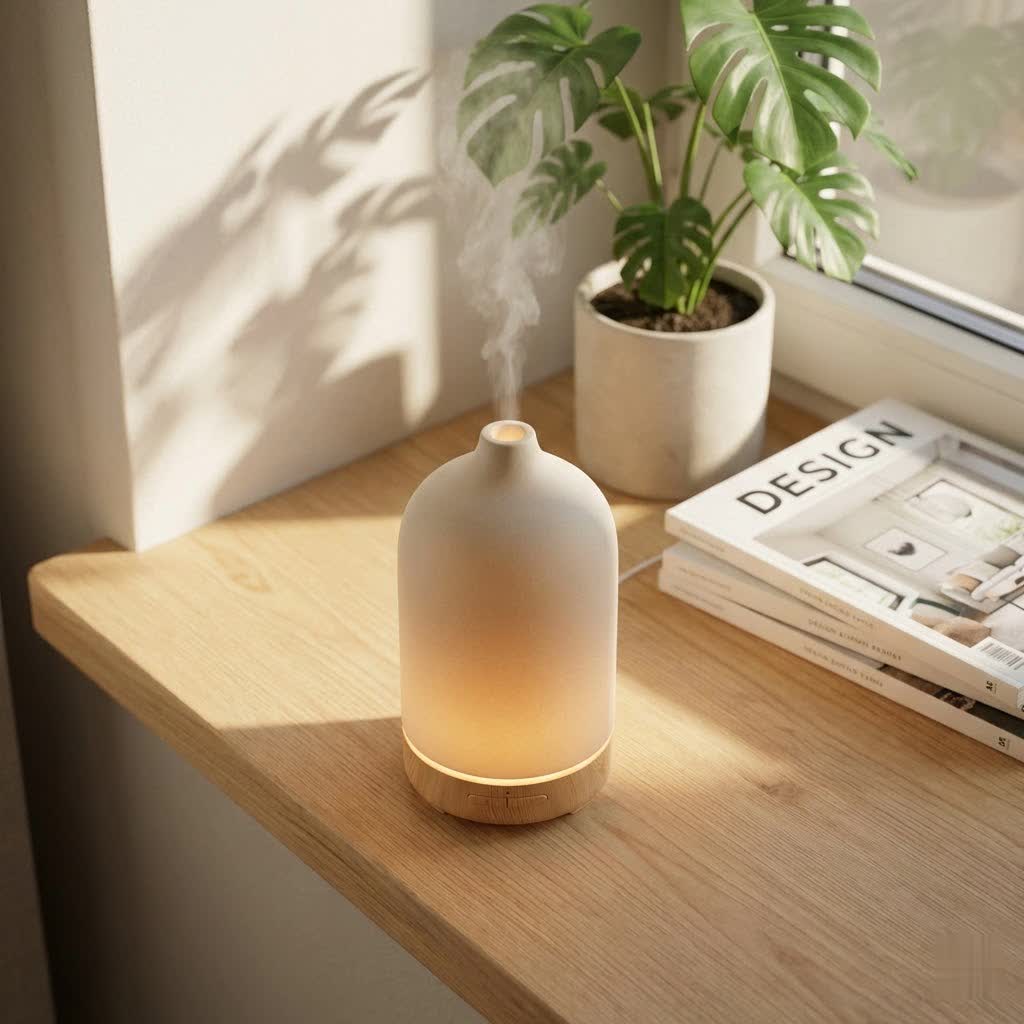
Are you searching for a simple yet profound way to transform your living space, calm your mind, and invigorate your senses? Look no further than the humble aroma diffuser. These devices have become indispensable tools for enhancing home ambiance, offering a continuous stream of delightful fragrances derived from natural essential oils. If you’re ready to unlock a world of personalized aromas and therapeutic benefits, understanding how to choose the best home aroma diffuser is your first step towards a healthier, happier home environment.
Understanding the World of Aroma Diffusers
An aroma diffuser is a device designed to disperse essential oils into the air, creating an aromatic and often therapeutic experience. While the concept of using natural scents for well-being dates back centuries, modern aroma diffusers offer convenient and efficient ways to enjoy these benefits in our daily lives. From ancient practices of burning herbs to today’s sophisticated electric models, the evolution of scent diffusion has led to a variety of options tailored to different needs and preferences.
Today, several popular types of aroma diffusers dominate the market, each employing a unique method to release fragrance. The most common include ultrasonic, nebulizing, and heat diffusers, alongside simpler evaporative and natural options. Each type boasts distinct advantages in terms of scent intensity, coverage, and essential oil preservation.
The Multifaceted Benefits of Embracing an Aroma Diffuser
Integrating an aroma diffuser into your home offers a spectrum of advantages beyond just making a room smell pleasant. These benefits span physical, mental, and emotional well-being, making diffusers a valuable addition to any household seeking a more holistic lifestyle.
Firstly, aroma diffusers excel at improving air quality and creating a pleasant atmosphere. They effectively eliminate unpleasant odors, replacing them with natural, clean scents from essential oils. Many essential oils, like eucalyptus and tea tree, possess antimicrobial qualities that can help purify the air by reducing airborne pathogens, particularly beneficial during cold and flu seasons.
Beyond scent, aroma diffusers contribute significantly to stress reduction and improved sleep quality. Calming oils such as lavender, chamomile, and bergamot diffused before bedtime can create a tranquil environment, helping to unwind an overactive mind and promote deeper, more restful sleep. This ritual encourages relaxation, reducing daily tension and fostering a sense of calm.
Certain essential oils diffused into the air can also enhance focus and energy levels. Invigorating aromas like lemon, orange, peppermint, and rosemary are known to stimulate the brain, improving concentration and alertness. Diffusing these scents in a home office or study area can foster a more productive environment, making them ideal for tackling demanding tasks or boosting morning routines.
Moreover, aroma diffusers can support respiratory health by helping to clear airways. Oils like eucalyptus and peppermint can ease congestion from allergies or colds, making breathing easier. For those seeking natural pain relief, essential oils such as peppermint and ginger diffused aromatically can help alleviate headaches, muscle tension, and joint discomfort, offering a gentle, holistic approach to managing aches.
Key Factors to Consider When Selecting Your Ideal Aroma Diffuser
|
Our Picks for the Best Aroma Diffuser in 2026
As an Amazon Associate I earn from qualifying purchases.
|
||
| Num | Product | Action |
|---|---|---|
| 1 | ASAKUKI 300ML Essential Oil Diffuser, Quiet 5-in-1 Premium Humidifier, Home Fragrance Aroma Diffuser with 7 LED Color Changing Light and Auto-Off Switch -Light Brown |

|
| 2 | Aromatherapy Essential Oil Home Diffuser with Remote Control, 300ML Large Room Cool Mist Air Humidifier, 8 Hours Quiet Operation, Timer, 7 Colors LED Night Night,Suitable Home,Yoga. |
|
| 3 | ASAKUKI Smart Wi-Fi Essential Oil Diffuser, App and Voice Control Compatible with Alexa, 500ml Aromatherapy Humidifier, Valentine's Gift for Relaxing Atmosphere in Home Office Bedroom (Light Brown) |
|
| 4 | Pura Plus Smart Home Fragrance Diffuser for Large Spaces - Adjust Scent Intensity, Set Schedules & Timers, and More in Pura App - Fragrances Sold Separately - White |
|
| 5 | ASAKUKI Essential Oil Diffuser 500ml, Ultrasonic Aromatherapy Humidifier with Remote Control, 7 LED Colors, Timer & Auto-Off, Large Room Diffuser Valentine's Gift (Yellow) |
|
| 6 | ASAKUKI Essential Oil Diffuser 500ml, Ultrasonic Aromatherapy Humidifier with Remote Control, 7 LED Colors, Timer & Auto-Off, Large Room Diffuser Valentine's Gift (White) |
|
| 7 | SALKING Essential Oil Diffuser, 100ml Small Aromatherapy Diffuser with Auto Shut-Off Function, Ultrasonic Diffusers for Essential Oils, Cool Mist Humidifier with Warm White Lights, for Office Home |
|
| 8 | HealthSmart 500ML Essential Oil Diffuser for Large Rooms, Cool Mist Humidifier and Aromatherapy Diffuser, Adjustable Timer, Mist Mode and 7 LED Light Colors, White (Pack of 1) |
|
| 9 | Pure Enrichment® PureSpa™ Essential Oil Diffuser - Compact Ultrasonic Aromatherapy Diffuser, Natural Air Deodorizer, 100ml Water Tank, and Optional Mood Light - Lasts Up to 7 Hours with Auto Shut-Off |
|
| 10 | InnoGear Essential Oil Diffuser, Ultrasonic Diffusers for Home Aromatherapy Humidifier for Bedroom Room 7 Colors LED 2 Mist Mode Auto Off, Basic White |
|
Choosing the best home aroma diffuser isn’t a one-size-fits-all decision. Several crucial factors should guide your selection to ensure the device perfectly aligns with your lifestyle and space.
Type of Diffuser: Understanding the fundamental differences between diffuser types is paramount.
- Ultrasonic diffusers use high-frequency vibrations to break down a mixture of water and essential oils into a fine, cool mist. They are generally quiet, double as humidifiers, and are a budget-friendly option. However, the mist can dilute the oil’s potency, and they require regular cleaning to prevent bacteria growth in the water tank.
- Nebulizing diffusers operate without water or heat, using pressurized air to atomize pure essential oils into highly concentrated micro-particles. They offer the purest and most potent scent, ideal for larger spaces or therapeutic use, and don’t pose a risk of mold from stagnant water. The downsides include being generally noisier, more expensive, and consuming essential oils faster.
- Heat diffusers gently heat essential oils to evaporate their aroma into the air. They are often affordable and quiet. However, high heat can alter the chemical composition of essential oils, potentially reducing their therapeutic benefits.
- Evaporative diffusers use a fan to blow air through a pad saturated with essential oils, causing the oil to evaporate. They are typically portable and easy to use but may not distribute the scent evenly, and the aroma can dissipate quickly.
- Natural diffusers (like reed diffusers or porous stone/wood) absorb and gradually release essential oils without electricity. They are eco-friendly and quiet, suitable for small spaces, but offer a less potent scent.
Area Coverage: Consider the size of the room you intend to scent. Smaller diffusers are suitable for personal spaces like desks or bedrooms (e.g., up to 300 sq. ft.), while larger models or nebulizers are better for expansive living rooms or open-plan areas (up to 1,500 sq. ft.). Ensure the diffuser’s capacity matches the room size to avoid overpowering the space or needing constant refills.
Water Tank Capacity and Runtime: The capacity of a water-based diffuser dictates its continuous operating time. Tanks ranging from 100ml to 500ml are common. Larger capacities offer longer runtimes (e.g., 8-12 hours), reducing the need for frequent refills. For nebulizers, oil consumption varies, with some lasting weeks or even months depending on usage.
Material and Aesthetic Appeal: Diffusers come in a variety of materials, from BPA-free plastics to ceramic, glass, and wood. Consider how the diffuser’s design will integrate with your home decor. Ceramic or wood finishes often provide a more premium and understated look compared to standard plastic models.
Additional Features: Modern diffusers often include a range of convenient features.
- LED lights can offer ambient lighting or act as a nightlight, with options for single colors or color-changing modes.
- Timer settings allow you to set the diffuser to run for specific durations (e.g., 1, 3, or 6 hours) or intermittently, preventing sensory overload and conserving oil.
- Automatic shut-off is a crucial safety feature, turning the device off when water or oil runs low.
- Remote controls or smart app connectivity provide ease of use, allowing you to adjust settings from anywhere in the room.
- Noise level is particularly important for bedrooms; look for models that operate silently (under 23 decibels) or offer a gentle white noise if preferred.
Brand Reputation and Price: Reputable brands often offer better quality, durability, and customer support. While diffusers can range from under $20 to over $200, balance your budget with the features and performance you desire. Sometimes a slightly higher investment translates to a more effective and long-lasting device.
Comparing Popular Aroma Diffuser Types
To simplify your decision, here’s a detailed comparison of the most common aroma diffuser types:
| Feature | Ultrasonic Diffuser | Nebulizing Diffuser | Heat Diffuser |
|---|---|---|---|
| Diffusion Method | High-frequency vibrations, water, cool mist | Pressurized air, pure essential oil, no water/heat | Gentle heat, essential oil evaporation |
| Scent Potency | Subtler, diluted aroma | Highly concentrated, pure aroma | Moderate to strong, can alter oil properties |
| Coverage Area | Small to medium rooms (up to 600 sq. ft.) | Large spaces (up to 1,500 sq. ft. or more) | Small to medium rooms |
| Noise Level | Very quiet, sometimes gentle water sounds | Can be noisier due to air pump | Very quiet |
| Water Use | Requires water | No water required | Some models may use water, others do not |
| Oil Consumption | Less oil per use, diluted | More oil per use, concentrated | Moderate |
| Maintenance | Regular cleaning of water tank essential to prevent mold | Easier to clean (no water), but can clog with thick oils | Easy to clean |
| Cost | Generally budget-friendly | More expensive | Most affordable |
| Additional Benefits | Humidifies air | Preserves oil integrity, no dilution | Simple to use |
Top Brands and Models in the Aroma Diffuser Market
The market for aroma diffusers is rich with options, but a few brands consistently stand out for their quality, design, and performance.
Saje Aroma Om: Praised for its elegant ceramic design and strong, consistent diffusion, the Saje Aroma Om is often cited as a top performer. It features a BPA-free plastic water tank, LED light, and automatic shut-off, making it both aesthetically pleasing and highly functional. It produces a powerful scent, making it suitable even for larger spaces despite its compact size.
NEOM Wellbeing Pod Luxe: This luxury-look ultrasonic diffuser offers a handcrafted ceramic cover and unique features like a guided breathing mode. With a 12-hour capacity, it effectively scents large spaces and is remote-controlled for convenience. While on the pricier side, its design and special features offer a premium experience, ideal for bedrooms or entryways.
Bamford Strato Atomizing Diffuser: A unique nebulizing diffuser crafted from ceramic and recycled plastic, the Bamford Strato uses waterless technology for a pure, clean scent. It’s compact, portable, and offers versatile interval settings for adjustable scent intensity. It’s a great choice for fragrance layering and for those who prioritize the integrity of essential oils.
Vitruvi Stone Essential Oil Diffuser: Known for its sleek, minimalist design and matte ceramic finish, the Vitruvi Stone diffuser is a chic addition to any home office or small space. It’s an ultrasonic model with a smaller, sealed reservoir to prevent leaks, and offers 4- and 8-hour timer settings with an optional LED light.
MUJI Large Electric Aroma Diffuser: A favorite for its understated look and strong performance, this ultrasonic diffuser is excellent for living rooms. It doubles as a humidifier and operates quietly, providing a gentle background noise. It includes various timer settings up to 180 minutes and is a reliable mid-range option.
Aroma360 Wireless Pro Scent Diffuser: This nebulizing diffuser is highly effective at removing pet odors and scenting large areas up to 600 sq. ft. It’s wireless, silent, and offers powerful, adjustable diffusion, making it suitable for modern interiors. However, it is quite expensive and only compatible with Aroma360 scents.
AromaTech AroMini: A petite yet powerful nebulizer, the AroMini uses cold-air diffusion technology, requiring no water or heat. It’s wireless, portable, and controllable via Bluetooth, allowing for customized schedules. While very powerful and effective for large areas (up to 1,500 sq. ft.), its high oil consumption and specific oil compatibility should be noted.
Asakuki Portable Essential Oil Diffuser: This best-selling ultrasonic diffuser offers great value. It’s remote-controlled, portable, and features a large 500ml capacity with seven LED colors. It runs quietly and includes multiple timer settings, making it a versatile all-rounder for various rooms.
Essential Usage and Maintenance Tips for Your Aroma Diffuser
To ensure your aroma diffuser operates efficiently and safely, proper usage and maintenance are key.
Using Your Diffuser Correctly:
- Placement: Position your diffuser in the center of the room or an area with good air circulation to ensure even scent distribution. An elevated spot is often ideal for optimal diffusion.
- Water (for ultrasonic/heat diffusers): Always use room temperature, clean water, filling only to the indicated line. Overfilling can lead to sputtering or inconsistent mist.
- Essential Oils: The number of drops depends on the diffuser’s capacity and your desired scent intensity. Generally, 5-10 drops are sufficient for a small room. Experiment to find your perfect ratio. For multiple oils, 2-3 drops per oil can create a harmonious blend.
- Operation: Follow the manufacturer’s specific instructions for turning on the device, setting timers, and choosing mist modes.
Cleaning and Care:
Regular cleaning is vital to prevent oil residue buildup and bacteria growth, especially in water-based diffusers.
- Ultrasonic Diffusers: Clean every few days or after a few uses. Unplug the diffuser, empty any remaining water, and wipe the water tank with a damp cloth and a small amount of fragrance-free dish soap. Rinse thoroughly and dry. Wiping the water tank before switching oils can prevent scent cross-contamination.
- Nebulizing Diffusers: These are generally easier as they don’t use water. However, thick essential oils can clog the nebulizer. You can use rubbing alcohol to clean the glass reservoir between uses or soak it in warm, soapy water to release excess oils.
- Troubleshooting: For issues like clogs or inconsistent mist, first check the water level and ensure the diffuser is on a flat surface. Using filtered water can prevent mineral buildup. A deep clean with white vinegar and a cotton swab can help clear stubborn clogs.
Safety Precautions:
While aroma diffusers offer many benefits, it’s crucial to use them safely.
- Ventilation: Always use diffusers in a well-ventilated area, with open doors or windows, to allow the scent to disperse and prevent irritation.
- Children and Pets: Essential oils are highly concentrated and can irritate respiratory tracts. Use diffusers with caution around small children and pets, as they are more susceptible to strong oils. Always research which essential oils are toxic to pets before diffusing them.
- Underlying Conditions: Individuals with respiratory conditions like asthma or COPD should consult a medical professional before using essential oil diffusers, as concentrated scents can sometimes exacerbate symptoms.
- Continuous Diffusion: Avoid continuous diffusion for extended periods. Intermittent use is generally recommended to prevent sensory overload and ensure safety.
Where to Purchase Your Aroma Diffuser
Finding the best home aroma diffuser is easier than ever with numerous retail options.
- Online Marketplaces: Websites like Amazon, Target, and other large online retailers offer a vast selection from various brands, often with competitive pricing and customer reviews.
- Specialty Aromatherapy Stores: Dedicated aromatherapy shops, both online and physical, provide expert advice and a curated selection of high-quality diffusers and essential oils.
- Home Goods Stores: Many department stores and home decor retailers carry a range of diffusers that blend functionality with stylish design.
- Brand Websites: Purchasing directly from a brand’s official website often provides access to exclusive models, warranty information, and customer support.
When buying online, always read product descriptions carefully, check customer reviews, and verify return policies. Comparison shopping across different platforms can help you find the best deals, especially during sale events like Black Friday or Cyber Monday.
Your Essential Buying Guide Checklist
To make your decision-making process smooth and confident, here’s a concise buying guide checklist:
- Define Your Needs: What is your primary purpose? (Relaxation, air freshening, focus, decor, humidifying?)
- Assess Your Space: How large is the room you want to scent? This determines the required coverage area and diffuser type.
- Choose Your Type: Do you prefer potent, pure diffusion (nebulizing), a quieter humidifying mist (ultrasonic), or a simple, affordable option (heat/evaporative)?
- Check Capacity & Runtime: How long do you need the diffuser to run continuously before refilling?
- Consider Materials & Design: Select a diffuser that complements your home decor and is made from safe, durable materials.
- Evaluate Features: Look for essential features like auto shut-off, timer settings, LED lights, and remote control if desired.
- Prioritize Noise Level: Especially for bedrooms, opt for models known for quiet operation.
- Set Your Budget: Determine how much you’re willing to spend, keeping in mind that higher prices can sometimes mean better quality and features.
- Read Reviews & Research Brands: Learn from others’ experiences and choose reputable manufacturers.
Conclusion
Choosing the best home aroma diffuser can significantly enhance your daily life, transforming your living spaces into havens of tranquility, focus, or invigoration. By carefully considering the various types, their benefits, and key features like room size, capacity, and materials, you can confidently select a device that perfectly suits your individual needs and aesthetic preferences. Remember to prioritize safety and follow maintenance guidelines to ensure a lasting and beneficial aromatherapy experience. Are you ready to embark on your aromatic journey and discover how the right aroma diffuser can elevate your home?
Frequently Asked Questions
Which type of aroma diffuser is best for therapeutic benefits?
Nebulizing diffusers are widely considered the best for therapeutic benefits because they disperse pure, undiluted essential oils without heat or water, preserving their chemical integrity and potency. This method allows for a more concentrated aroma and efficient absorption of the oil’s beneficial compounds.
How much essential oil should I put in my diffuser?
The optimal amount of essential oil depends on your diffuser’s capacity and your desired scent intensity. A general guideline for water-based diffusers is 5-10 drops for a small to medium-sized room. For larger spaces, you might use slightly more, but it’s best to start with a lower amount and adjust to your preference to avoid overwhelming the space.
Can aroma diffusers be used around pets and children?
While aroma diffusers can offer many benefits, caution is advised around pets and young children. Essential oils are highly concentrated and can irritate their respiratory systems. Always ensure good ventilation, research pet-safe essential oils, and place diffusers out of reach of children and animals to prevent ingestion or direct skin contact.
How often should I clean my aroma diffuser?
For water-based ultrasonic diffusers, it’s recommended to clean them every few days or after every 3-4 uses to prevent mineral buildup and the growth of bacteria or mold. Nebulizing diffusers, which don’t use water, require less frequent cleaning, but should be cleaned with rubbing alcohol or soapy water if thicker oils are used to prevent clogging.
What are the main differences between an ultrasonic and a nebulizing diffuser?
The main differences lie in their mechanism and output. Ultrasonic diffusers use water and vibrations to create a cool, humid mist, offering a diluted scent. Nebulizing diffusers use pressurized air to atomize pure essential oils without water or heat, producing a much stronger, more concentrated aroma, but they tend to be noisier and use more oil.
Can an aroma diffuser humidify a room effectively?
While ultrasonic aroma diffusers do release a cool mist into the air and can add a small amount of humidity, their primary function is scent diffusion. If your main goal is to significantly increase the humidity in a room, a dedicated humidifier would be a more effective choice.
What features should I look for in an aroma diffuser for a bedroom?
For a bedroom, prioritize quiet operation (under 23 dB), an automatic shut-off feature for safety, and dimmable or optional LED lights to avoid disrupting sleep. Timer settings are also beneficial to ensure the diffuser doesn’t run all night, helping to conserve essential oils and prevent sensory fatigue.
Get our weekly buyer guide
Practical specs, not advice. Unsubscribe anytime.
