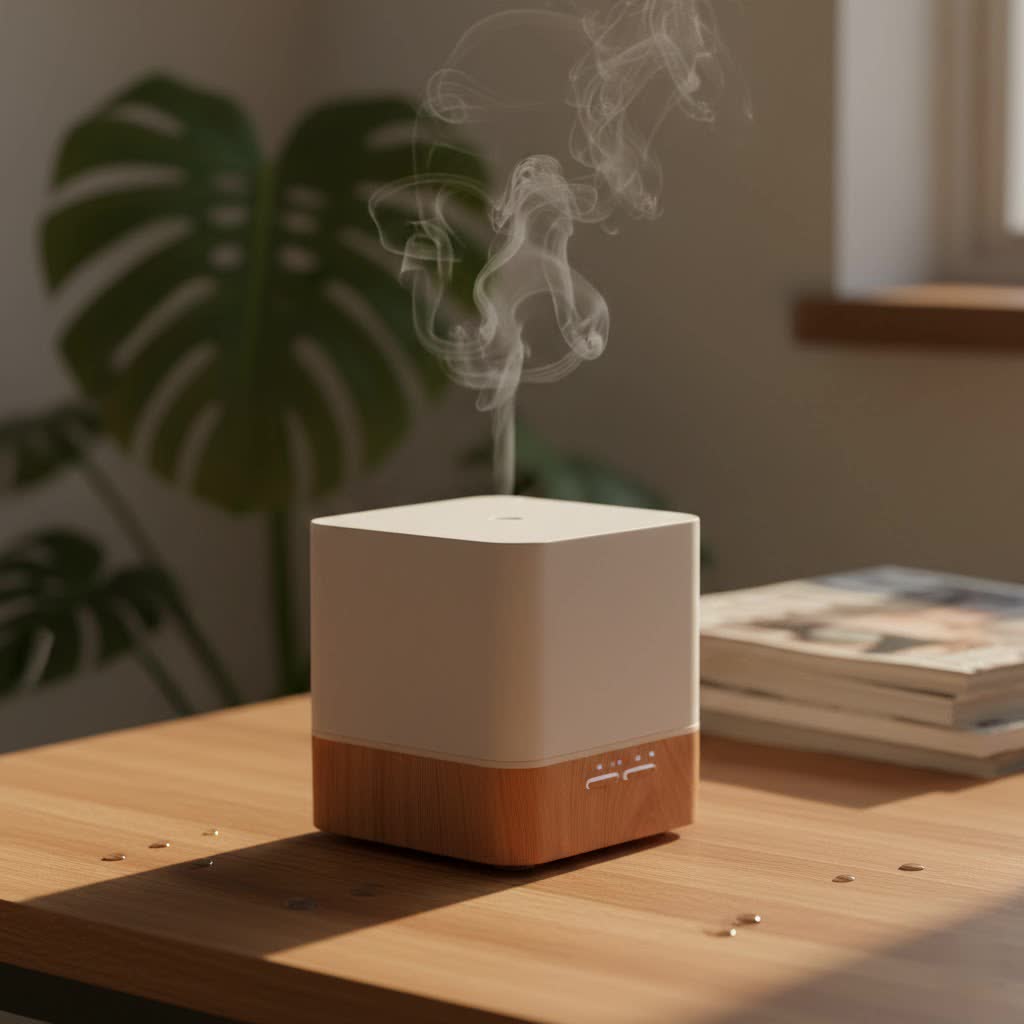
Imagine stepping into your home after a long day, greeted by a subtle, soothing aroma that instantly melts away stress. Or perhaps you need a boost of focus for a challenging task, and a refreshing scent sharpens your mind. This isn’t just a dream; it’s the everyday reality for those who have discovered the magic of aroma home diffusers. These ingenious devices transform your living space into a personal sanctuary, enhancing both your mood and your well-being. But with so many options available, how do you choose the one that’s right for you? This comprehensive guide will walk you through everything you need to know, from understanding different types to picking the perfect model for your unique needs.
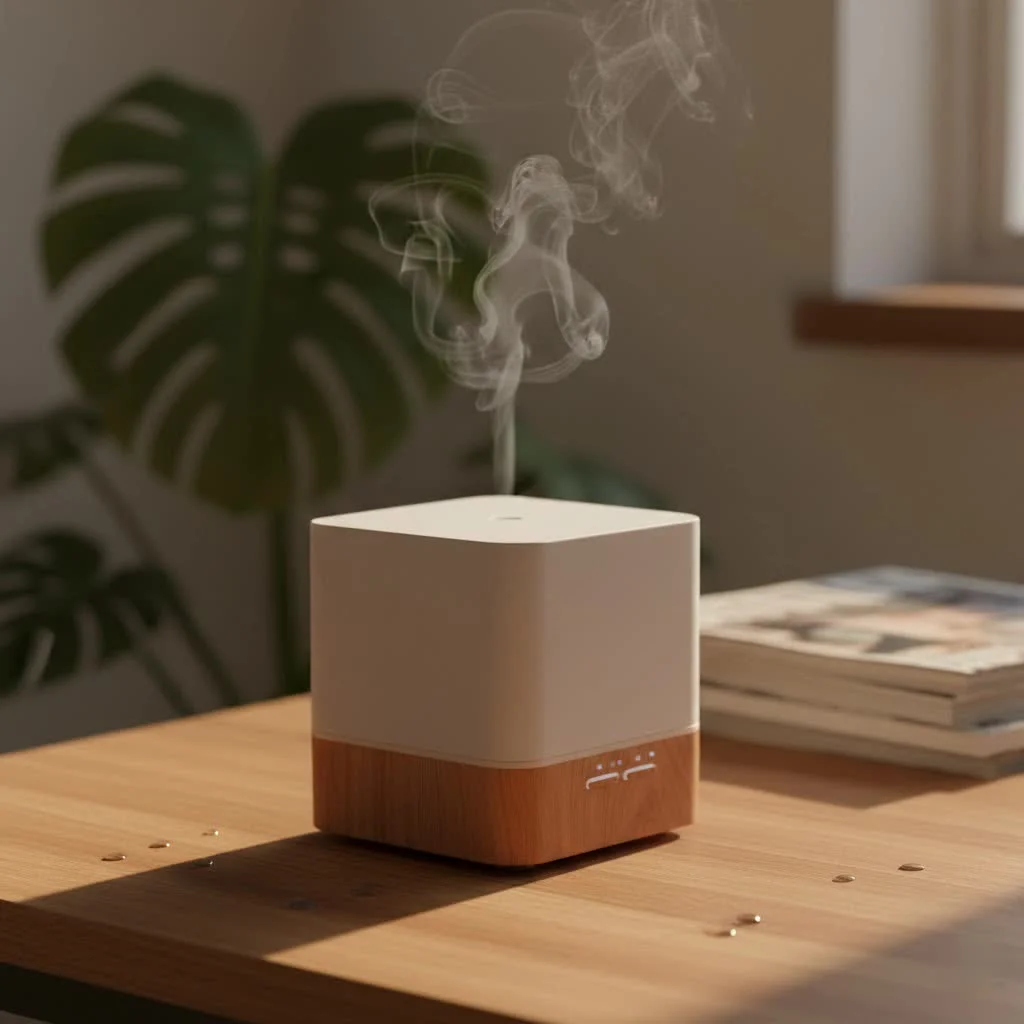
Unlocking the World of Aroma Home Diffusers
Aroma home diffusers are devices designed to disperse essential oils into the air, filling your space with their therapeutic fragrances. Their history dates back centuries, with ancient civilizations using various methods, like burning herbs and resins, to create aromatic environments. Modern diffusers have evolved significantly, offering efficiency, safety, and a variety of functionalities. For see our home fragrance recommendations on this site.
Today, several popular types dominate the market, each with a unique mechanism for scent dispersion:
- Ultrasonic Diffusers: These are the most common type, using ultrasonic vibrations to create a fine mist of water and essential oils. They double as humidifiers.
- Nebulizing Diffusers: Known for their pure and potent aroma delivery, nebulizers use an air pump to atomize essential oils into a fine mist without using water or heat.
- Evaporative Diffusers: These use a fan to blow air through a filter or pad containing essential oil, causing the oil to evaporate and disperse.
- Heat Diffusers: As the name suggests, these diffusers use heat to gently warm the essential oil, causing it to evaporate and release its aroma. They often use a ceramic or electric plate.
The Transformative Benefits of Using an Aroma Diffuser
Beyond simply making your home smell pleasant, aroma diffusers offer a wealth of benefits that can significantly improve your daily life and overall well-being. Incorporating these devices into your routine can lead to a healthier, more harmonious living environment.
One of the primary advantages is the improvement of air quality and the creation of a pleasant fragrance. Essential oils, especially those like tea tree or eucalyptus, can possess purifying properties, helping to freshen the air naturally. Furthermore, the constant gentle diffusion of natural aromas can neutralize unpleasant odors, leaving your home smelling fresh and inviting without relying on artificial chemicals.
A significant benefit lies in their ability to reduce stress, alleviate fatigue, and enhance sleep quality. Lavender, chamomile, and bergamot essential oils are renowned for their calming effects. Diffusing these oils in the evening can signal to your body that it’s time to unwind, promoting relaxation and paving the way for a more restful night’s sleep. Many users find that a consistent evening diffusing ritual becomes a powerful tool for stress management.
Aroma diffusers can also support respiratory health, especially during cold and flu season or for those prone to congestion. Essential oils like peppermint, eucalyptus, and frankincense can help clear nasal passages and ease breathing. When diffused, their volatile compounds can be inhaled, providing soothing relief to the respiratory system.
Finally, certain essential oils are known to boost concentration and productivity. Lemon, rosemary, and peppermint, for example, are invigorating and mentally stimulating. Using these oils in your workspace or during study sessions can help sharpen focus, increase alertness, and improve cognitive performance, making tasks feel less daunting and more achievable.
Key Factors to Consider When Selecting Your Aroma Diffuser
Choosing the right aroma home diffuser involves more than just picking an attractive design. To ensure you invest in a device that truly meets your needs, consider several crucial factors.
-
Diffuser Type:
- Ultrasonic diffusers are versatile, offering humidification alongside aroma. They are generally quiet and effective for medium-sized rooms, but require regular cleaning to prevent mold buildup.
- Nebulizing diffusers provide the purest, most potent scent experience without dilution. They are ideal for therapeutic use and larger spaces but tend to be noisier and consume essential oils more quickly.
- Evaporative diffusers are simple and portable, often battery-operated, making them great for small spaces or travel. However, they offer a less intense aroma and do not provide therapeutic benefits as effectively.
- Heat diffusers are very quiet and good for consistent, subtle scent, but heat can alter the therapeutic properties of some essential oils.
-
Room Size (Coverage Area): This is paramount. A small diffuser will be ineffective in a large open-plan living room. Check the diffuser’s specifications for its recommended coverage area (e.g., 100 sq ft, 500 sq ft) and match it to your space. Over-diffusing in a small space can be overpowering, while under-diffusing in a large space yields no benefits.
-
Water Tank Capacity (for ultrasonic diffusers): The tank size dictates how long the diffuser can operate continuously. Smaller tanks (e.g., 100ml) might run for 3-4 hours, while larger ones (e.g., 500ml or more) can last 10-12 hours or even longer. Consider how often you want to refill the diffuser.
-
Material Quality: Look for diffusers made from high-quality, durable, and BPA-free plastics, glass, or ceramic. Essential oils are potent and can degrade cheaper plastics over time. Glass and ceramic offer a more aesthetically pleasing and chemical-resistant option.
-
Additional Features:
- LED Lighting: Many diffusers include ambient LED lights with color-changing options, adding to the soothing atmosphere.
- Timer Settings: Auto-shutoff timers (e.g., 1-hour, 3-hour, 6-hour) are convenient for setting the diffuser to run for a specific duration.
- Intermittent Mist Modes: These allow the diffuser to mist for a period (e.g., 30 seconds) and then pause, conserving essential oil and extending run time.
- Automatic Shut-off: A crucial safety feature that turns off the diffuser when the water level is low, preventing damage.
-
Noise Level: While most ultrasonic diffusers are relatively quiet, some can produce a slight hum or gurgling sound. Nebulizing diffusers are typically louder due to their air pump. If you plan to use it in a bedroom or office, prioritize models advertised as “whisper-quiet” or with low decibel ratings.
-
Brand Reputation and Price: Reputable brands often offer better quality, reliability, and customer support. While it’s tempting to opt for the cheapest option, investing a bit more in a well-regarded brand can save you headaches in the long run. Compare features, reviews, and warranties across different price points to find the best value.
Comparing Popular Aroma Diffuser Types
Understanding the distinct characteristics of each diffuser type is crucial for making an informed decision. The table below offers a detailed comparison to help you weigh the pros and cons.
| Feature | Ultrasonic Diffusers | Nebulizing Diffusers | Evaporative Diffusers | Heat Diffusers |
|---|---|---|---|---|
| Mechanism | Ultrasonic vibrations create mist with water | Air pump atomizes pure essential oil | Fan blows air through a pad/filter | Gentle heat warms essential oil |
| Scent Intensity | Medium to strong, depending on oil concentration | Very strong, pure, and potent | Mild to medium, can fade quickly | Mild to medium, consistent |
| Water Usage | Yes, requires water | No water required | No water required | No water required |
| Oil Usage | Moderate, diluted with water | High, uses pure essential oil rapidly | Low to moderate | Low to moderate |
| Coverage Area | Small to large rooms (up to 500 sq ft) | Medium to large rooms (up to 800 sq ft) | Small rooms, personal spaces | Small to medium rooms |
| Humidification | Yes, adds some humidity | No humidification | No humidification | No humidification |
| Noise Level | Very quiet, slight hum or gurgle | Can be moderately noisy due to air pump | Quiet, gentle fan sound | Silent |
| Maintenance | Regular cleaning to prevent mineral/mold buildup | Occasional cleaning to prevent oil residue buildup | Replace pads/filters periodically | Easy to clean, occasional residue wipe |
| Therapeutic Value | Excellent, preserves oil integrity | Superior, purest oil delivery | Limited, some oil properties may dissipate quickly | Good, but heat can alter some oil properties |
| Cost | Moderate | Higher | Lower | Low to moderate |
| Portability | Varies, some compact models | Less portable, often glass components | Highly portable, often battery-operated | Less portable, requires power outlet |
Top Trusted Aroma Home Diffuser Brands
When investing in an aroma home diffuser, choosing a reputable brand can ensure quality, durability, and a positive user experience. Here are some of the most trusted brands in the market, along with their general advantages and popular offerings.
- doTERRA: Known for their high-quality essential oils, doTERRA also produces elegant and effective ultrasonic diffusers. Their diffusers often feature sophisticated designs, reliable performance, and good coverage. Pros: High quality, aesthetically pleasing, good warranties. Cons: Higher price point. Popular models include the doTERRA Petal Diffuser and the Lumo Diffuser.
- Young Living: Another giant in the essential oil industry, Young Living offers a range of diffusers, from ultrasonic to nebulizing. They are known for diffusers that pair well with their extensive oil collection. Pros: Diverse range, often included in starter kits. Cons: Can be expensive. The Desert Mist Diffuser and Aria Diffuser are among their best-sellers.
- Vitruvi: Vitruvi focuses on merging minimalist design with functionality, creating diffusers that double as home decor. Their diffusers are typically made from ceramic or stone, offering a premium feel. Pros: Stylish design, high-quality materials, quiet operation. Cons: Premium price. Their Stone Diffuser is a popular choice for modern homes.
- Stadler Form: This Swiss brand is renowned for its sleek, modern designs and robust performance in humidifiers and diffusers. Their diffusers are often powerful and designed for larger spaces. Pros: Strong performance, contemporary design, durable. Cons: Can be larger in size. The Julia Aroma Diffuser is a well-regarded model.
- ASAKUKI: A popular brand on online marketplaces, ASAKUKI offers a wide variety of affordable and feature-rich ultrasonic diffusers. They are a good entry point for those new to diffusing. Pros: Budget-friendly, many features (timers, lights), good for beginners. Cons: Quality can vary between models. Their 500ml and 300ml essential oil diffusers are frequently top-rated for value.
When choosing a brand, consider what matters most to you: design, price, features, or therapeutic intensity. Reading recent customer reviews for specific models is always a wise step.
Mastering the Use and Care of Your Aroma Diffuser
To get the most out of your aroma home diffuser and ensure its longevity, proper usage and maintenance are key. Following a few simple guidelines can enhance your experience and prevent common issues.
How to Use Your Aroma Diffuser Correctly
|
Our Picks for the Best Aroma Diffuser in 2026
As an Amazon Associate I earn from qualifying purchases.
|
||
| Num | Product | Action |
|---|---|---|
| 1 | ASAKUKI Smart Wi-Fi Essential Oil Diffuser, App and Voice Control Compatible with Alexa, 500ml Aromatherapy Humidifier, Valentine's Gift for Relaxing Atmosphere in Home Office Bedroom (Light Brown) |

|
| 2 | ASAKUKI Essential Oil Diffuser 500ml, Ultrasonic Aromatherapy Humidifier with Remote Control, 7 LED Colors, Timer & Auto-Off, Large Room Diffuser Valentine's Gift (Yellow) |
|
| 3 | SALKING Essential Oil Diffuser, 100ml Small Aromatherapy Diffuser with Auto Shut-Off Function, Ultrasonic Diffusers for Essential Oils, Cool Mist Humidifier with Warm White Lights, for Office Home |
|
| 4 | Pura Plus Smart Home Fragrance Diffuser for Large Spaces - Adjust Scent Intensity, Set Schedules & Timers, and More in Pura App - Fragrances Sold Separately - White |
|
| 5 | Aromatherapy Essential Oil Home Diffuser with Remote Control, 300ML Large Room Cool Mist Air Humidifier, 8 Hours Quiet Operation, Timer, 7 Colors LED Night Night,Suitable Home,Yoga. |
|
| 6 | Pure Enrichment® PureSpa™ Essential Oil Diffuser - Compact Ultrasonic Aromatherapy Diffuser, Natural Air Deodorizer, 100ml Water Tank, and Optional Mood Light - Lasts Up to 7 Hours with Auto Shut-Off |
|
| 7 | ASAKUKI 300ML Essential Oil Diffuser, Quiet 5-in-1 Premium Humidifier, Home Fragrance Aroma Diffuser with 7 LED Color Changing Light and Auto-Off Switch -Light Brown |
|
| 8 | InnoGear Essential Oil Diffuser, Ultrasonic Diffusers for Home Aromatherapy Humidifier for Bedroom Room 7 Colors LED 2 Mist Mode Auto Off, Basic White |
|
| 9 | ASAKUKI Essential Oil Diffuser 500ml, Ultrasonic Aromatherapy Humidifier with Remote Control, 7 LED Colors, Timer & Auto-Off, Large Room Diffuser Valentine's Gift (White) |
|
| 10 | HealthSmart 500ML Essential Oil Diffuser for Large Rooms, Cool Mist Humidifier and Aromatherapy Diffuser, Adjustable Timer, Mist Mode and 7 LED Light Colors, White (Pack of 1) |
|
- Placement: Place your diffuser on a stable, flat surface, away from direct sunlight, heating vents, or electronics. Ensure it’s not near anything that can be damaged by water mist (for ultrasonic types).
- Fill Water Tank (Ultrasonic): Fill the water tank with clean, room-temperature tap water or distilled water up to the marked fill line. Avoid overfilling.
- Add Essential Oils: Add 5-10 drops of your preferred essential oil(s) directly into the water (for ultrasonic) or into the oil reservoir (for nebulizing/heat diffusers). Adjust the number of drops based on your room size and desired scent intensity.
- Power On: Close the lid securely and plug in the diffuser. Select your desired settings (mist mode, timer, light).
- Enjoy!
Regular Cleaning and Maintenance
Regular cleaning is vital, especially for ultrasonic diffusers, to prevent essential oil residue buildup and potential mold growth, which can affect performance and air quality.
- Daily (Ultrasonic): After each use, empty any remaining water from the tank. Wipe the inside with a clean, soft cloth.
- Weekly (Ultrasonic): Unplug the diffuser. Fill the tank halfway with clean water and add 1-2 teaspoons of white vinegar. Run the diffuser for 5-10 minutes. Then, empty the tank, rinse thoroughly with clean water, and wipe dry with a soft cloth. Use a cotton swab dipped in vinegar to clean the ultrasonic disc and sensor.
- Monthly (Nebulizing/Heat): For nebulizers, run rubbing alcohol through the system to clean out oil residue. For heat diffusers, simply wipe the heating plate clean with a cloth.
- Never: Submerge the entire diffuser base in water. Use harsh detergents, abrasive cleaners, or scrubbers.
Troubleshooting Common Issues
- No Mist/Weak Mist:
- Check water level (ultrasonic).
- Ensure the lid is properly sealed.
- Clean the ultrasonic disc; mineral buildup is a common culprit.
- Ensure essential oil isn’t blocking the mist outlet.
- No Power:
- Check if the adapter is correctly plugged in.
- Try a different power outlet.
- Unusual Noise:
- Ensure the water level is correct (ultrasonic).
- Clean the unit.
- For nebulizers, this can be normal due to the air pump.
Where to Purchase Your Aroma Home Diffuser
Finding the perfect aroma home diffuser is easier than ever, with numerous reputable sources available both online and in brick-and-mortar stores. Each offers distinct advantages, so choosing where to buy often comes down to convenience, desired selection, and customer service.
- Specialty Essential Oil Stores: These stores, whether independent boutiques or chain retailers focusing on aromatherapy, typically offer a curated selection of high-quality diffusers and essential oils. The staff are often knowledgeable and can provide personalized recommendations based on your needs. Examples include stores like Saje Natural Wellness or local aromatherapy shops.
- Home Goods and Department Stores: Larger retailers such as Bed Bath & Beyond, Macy’s, or even some larger supermarkets often carry a selection of aroma diffusers, particularly ultrasonic models. These can be convenient for in-person browsing and allow you to see the product before buying.
- Online Marketplaces: Websites like Amazon, eBay, and Walmart.com offer the widest selection of diffusers from various brands and at all price points. You can easily compare features, read extensive customer reviews, and often find competitive pricing. Pro-tip: Always check seller ratings and recent reviews when buying from online marketplaces.
- Brand Websites: Purchasing directly from a brand’s official website (e.g., Vitruvi.com, YoungLiving.com, doTERRA.com) often ensures you receive genuine products, access to their full range, and direct customer support for warranties or issues.
Important Considerations When Buying Online:
- Read Reviews: Pay close attention to recent reviews regarding product performance, durability, and customer service.
- Check Return Policies: Understand the return window and process in case the diffuser doesn’t meet your expectations.
- Verify Authenticity: Especially for higher-end brands, ensure you are purchasing from an authorized reseller to avoid counterfeit products.
Your Essential Aroma Home Diffuser Buying Guide
Navigating the array of aroma home diffusers can be exciting. By following this concise buying guide, you’ll be well-equipped to select a diffuser that perfectly complements your lifestyle and preferences.
- Identify Your Needs: Start by asking yourself: What is the primary purpose? Is it for relaxation, improving focus, better sleep, or simply freshening the air? Do you have a small apartment or a large open-plan house? This clarity will guide your choices.
- Choose the Right Type: Based on your needs and space, decide if an ultrasonic, nebulizing, evaporative, or heat diffuser is best. Remember to consider factors like noise, water usage, and scent intensity. For example, if you want quiet operation and mild humidification, an ultrasonic is often ideal. If pure, potent aroma is key, a nebulizer might be worth the investment.
- Compare Features and Quality: Look beyond just the price tag. Evaluate the tank capacity, operating time, safety features (like auto-shutoff), material quality, and any extra features such as LED lights or timer settings. A higher-quality unit, while potentially costing more upfront, will likely offer better performance and last longer.
- Check for Noise Levels: If silence is golden for you, especially in a bedroom or office, specifically look for models described as “whisper-quiet” and check user reviews for actual noise experiences.
- Review Warranty and Support: A good warranty indicates a manufacturer’s confidence in their product. Understand the warranty period and how to contact customer support if needed. This provides peace of mind for your purchase.
Conclusion
The journey to finding your perfect aroma home diffuser is an investment in your personal well-being and the ambiance of your home. From the gentle, humidifying mist of an ultrasonic diffuser to the potent, pure aroma of a nebulizer, each type offers a unique way to harness the power of essential oils. By carefully considering your needs, understanding the various features, and selecting a reputable brand, you can transform your living space into a haven of tranquility, focus, or invigoration.
Remember, a well-chosen diffuser is more than just an appliance; it’s a gateway to enhancing your mood, improving your health, and creating an environment that truly supports you. Which aromatic journey will you embark on first to elevate your home experience?
Frequently Asked Questions
What are the main differences between an ultrasonic and a nebulizing aroma diffuser?
Ultrasonic diffusers use water and ultrasonic vibrations to create a fine mist, offering both aroma and slight humidification, making them quiet and versatile. Nebulizing diffusers, conversely, use an air pump to atomize pure essential oil directly, providing a much stronger, undiluted aroma without water or heat, though they tend to be noisier and use more oil.
How often should I clean my aroma home diffuser?
For ultrasonic diffusers, it’s best to rinse and wipe them daily after each use, and perform a deeper clean with white vinegar weekly to prevent mineral buildup and mold. Nebulizing diffusers should be cleaned periodically with rubbing alcohol to remove oil residue, while heat diffusers only need occasional wiping of their heating plate.
Can I use any essential oil in my aroma diffuser?
Most diffusers are designed for 100% pure essential oils. It’s crucial to avoid synthetic fragrance oils, carrier oils (like jojoba or almond oil), or oils that are heavily diluted with non-essential oil ingredients, as these can clog or damage your diffuser. Always check the essential oil’s purity and the diffuser’s guidelines.
What is the ideal room size for an aroma diffuser?
Diffusers come with recommended coverage areas, typically ranging from 100 sq ft for small, personal diffusers to 500-800 sq ft for larger models. It’s important to match the diffuser’s capacity to your room size to ensure effective scent dispersion without overwhelming the space or being too weak to notice.
Are aroma diffusers safe for pets and children?
While many essential oils are beneficial, some can be toxic or irritating to pets and young children. Always research essential oil safety for your specific household members. When diffusing around pets or children, use fewer drops, ensure good ventilation, and allow them to leave the room if they wish. Consult a veterinarian or pediatrician for specific concerns.
Get our weekly buyer guide
Practical specs, not advice. Unsubscribe anytime.

I’ve been using essential oils for years, but I was always hesitant about diffusers because of the cleaning hassle. The ultrasonic diffuser recommendations here were spot on! I picked up the one with the auto-shutoff feature and it’s been a game-changer for my bedroom. The mist is perfect and it’s so quiet.
This guide helped me finally choose a diffuser for my home! I was so overwhelmed by all the options, but understanding the difference between water-based and waterless models made it much clearer. I ended up getting a ceramic one for its aesthetic appeal and it looks beautiful in my entryway, creating a welcoming atmosphere.
I bought one of the diffusers mentioned in the mid-range price point, and while it works okay, I’m a little disappointed with the coverage. It’s supposed to be good for a larger room, but I find the scent only really fills about half of my living area. Maybe I just need to try a stronger essential oil blend.
I really appreciated the breakdown of different diffuser types. I was leaning towards a nebulizing one for a while, but after reading about the noise level, I decided to go with a good quality evaporative diffuser instead. It’s been great for my office, providing a consistent scent without being too overpowering. My focus has definitely improved.