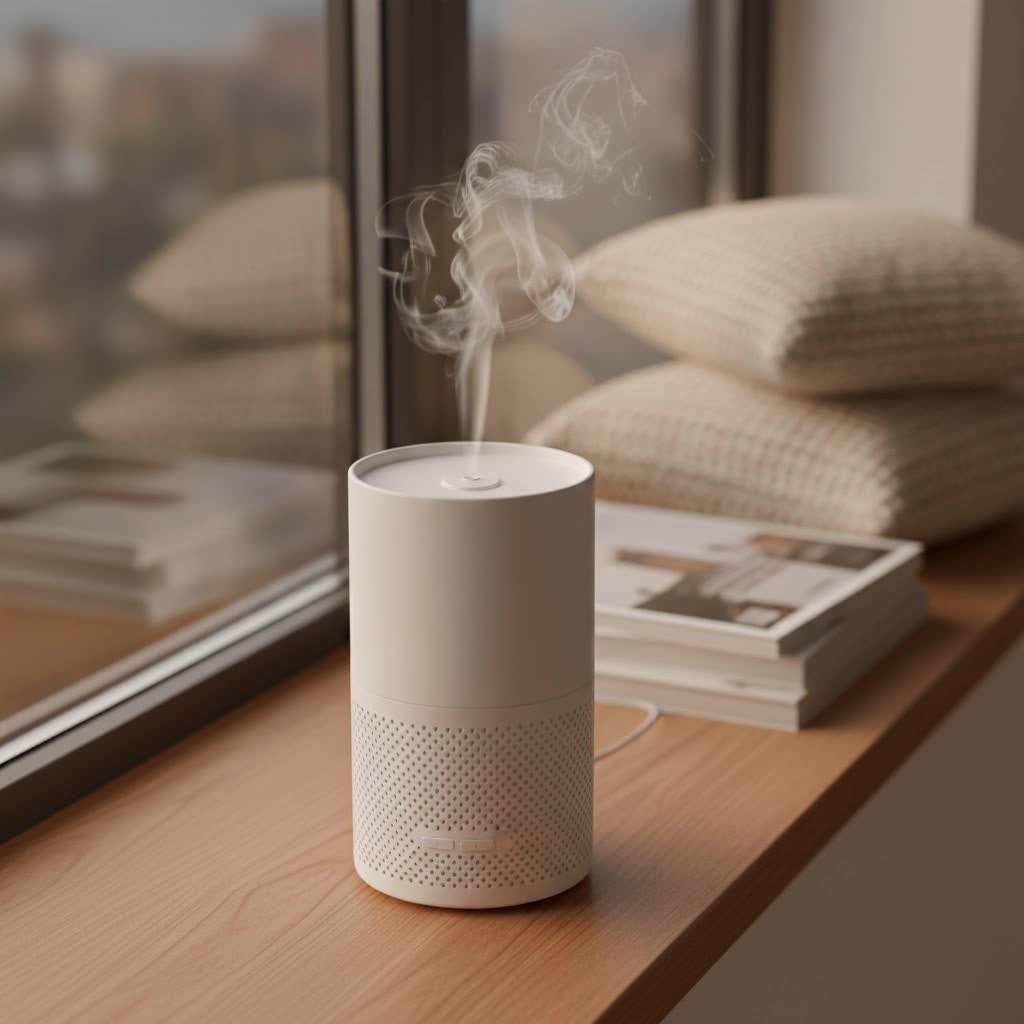
In an increasingly fast-paced world, creating a serene and inviting sanctuary at home has become more important than ever. Have you ever walked into a space and been instantly uplifted by a delicate fragrance, or felt a wave of calm wash over you from a soothing aroma? This powerful effect is often thanks to the humble yet sophisticated Air Aroma Diffuser. These devices transform your environment, turning ordinary air into an enriching tapestry of scents that can influence your mood, improve well-being, and even enhance your home’s aesthetic.
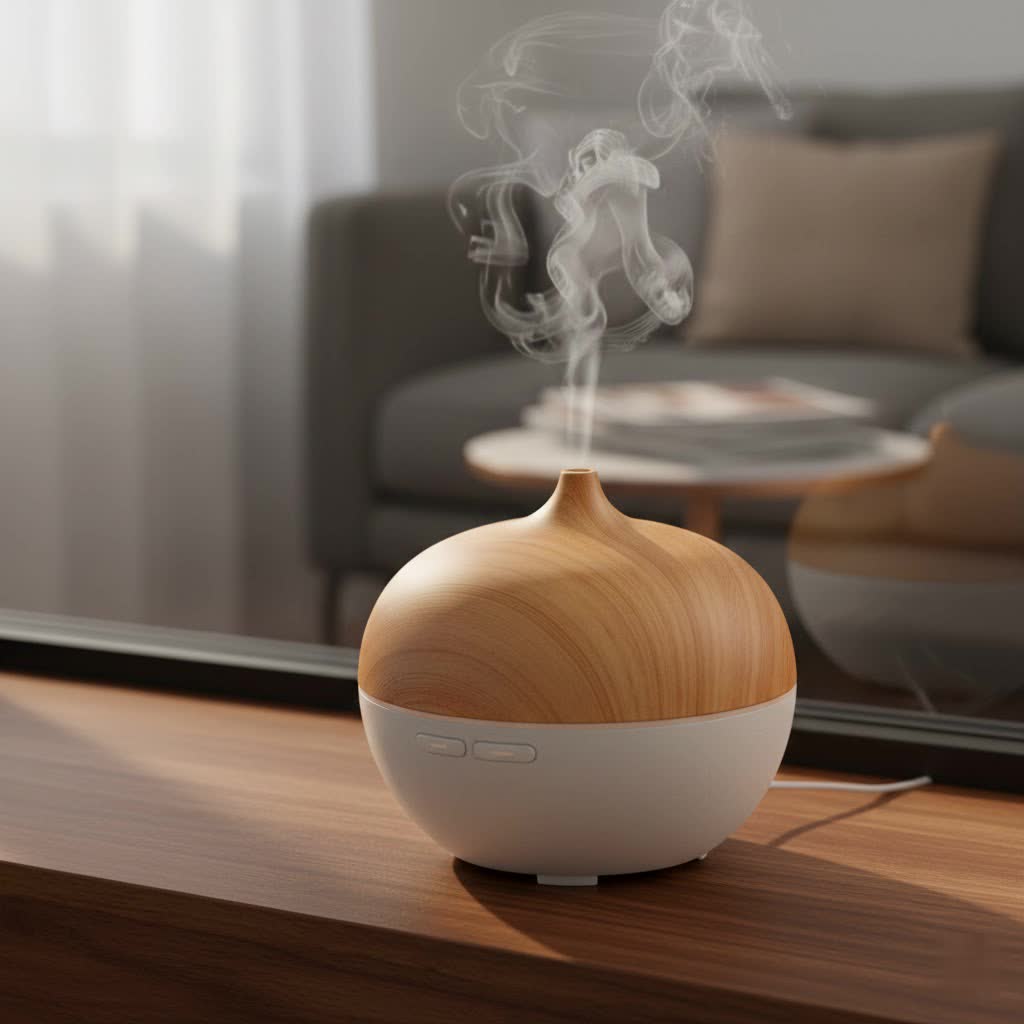
This comprehensive guide is crafted to demystify the world of air aroma diffusers. With over a decade of experience researching their technologies, materials, and efficacy across various settings, we aim to share the most insightful and honest information. Our goal is to empower you to select the air aroma diffuser that perfectly aligns with your needs and preferences, inviting you to explore the captivating world of fragrance and wellness.
Understanding Air Aroma Diffusers
An air aroma diffuser is a device designed to disperse essential oils or fragrance oils into the air, filling a room with their natural aromas. While the concept of scenting spaces has roots in ancient practices, from burning incense to steeping reeds in perfumed oils, modern aroma diffusers utilize advanced technologies to deliver a more consistent and controlled aromatic experience. They have evolved from simple passive methods to sophisticated electronic devices, becoming a staple in homes and businesses for aromatherapy and ambiance.
Today, the market offers several popular types of air aroma diffusers, each with distinct mechanisms for delivering scent. Understanding these differences is crucial for choosing the right one for your lifestyle and space.
The Benefits of Using an Air Aroma Diffuser
Incorporating an air aroma diffuser into your daily routine offers a multitude of advantages beyond just making your home smell pleasant. These benefits span across physical, mental, and emotional well-being, contributing to a healthier and more enjoyable living environment.
- Enhances Mood and Reduces Stress: Specific essential oils, like lavender or bergamot, are renowned for their calming properties, helping to alleviate anxiety and stress. Citrus oils, such as lemon or orange, can uplift spirits and boost energy levels, making them perfect for starting your day or combating afternoon slumps.
- Improves Sleep Quality: Diffusing soothing scents like chamomile or cedarwood before bedtime can signal to your body that it’s time to relax, promoting deeper and more restful sleep. This natural approach can be a gentle alternative to other sleep aids.
- Promotes Clean and Fresh Air: Essential oils such as tea tree, eucalyptus, and lemon possess natural antibacterial and antiviral properties. When diffused, they can help purify the air, neutralize unpleasant odors, and reduce airborne pathogens, creating a healthier breathing environment. Many diffusers, particularly ultrasonic ones, also add a fine mist of humidity, which can be beneficial in dry climates, helping to soothe dry skin and respiratory passages.
- Supports Respiratory Health: For those prone to congestion, allergies, or other respiratory issues, diffusing oils like peppermint or eucalyptus can help clear airways and ease breathing. The humidifying effect of some diffusers further aids in moistening nasal passages.
- Increases Focus and Productivity: Certain aromas, like rosemary or peppermint, are known to stimulate mental clarity and improve concentration. Diffusing these oils in your workspace can help you stay alert and focused on tasks.
- Safe Alternative to Candles: Air aroma diffusers provide a flameless way to scent your home, eliminating the fire hazard associated with candles. This makes them a safer choice for households with children or pets.
- Aesthetic Appeal and Customization: Modern diffusers come in a vast array of designs, materials, and colors, allowing them to seamlessly integrate with or even enhance your home decor. Furthermore, you have complete control over the scent, duration, and intensity, allowing for a truly personalized aromatic experience.
Key Factors to Consider When Buying an Air Aroma Diffuser
Choosing the best air aroma diffuser requires thoughtful consideration of several factors to ensure it meets your specific needs and expectations.
Type of Diffuser
- Ultrasonic Diffusers: These are perhaps the most common type. They use high-frequency ultrasonic vibrations to break down a mixture of water and essential oils into a fine, cool mist.
- Pros: Quiet operation, humidifies the air, often include LED lights and auto-shutoff, affordable.
- Cons: Requires water refills, may not produce as strong a scent as nebulizers, regular cleaning is crucial to prevent mineral buildup and mold.
- Nebulizing Diffusers: These diffusers use an air pump to atomize pure essential oils into microscopic particles, releasing a highly concentrated aroma without water or heat.
- Pros: Delivers the purest and most potent scent, no water needed, excellent for therapeutic benefits, covers larger areas effectively.
- Cons: Uses more essential oil, can be noisier, typically more expensive, may not be suitable for small spaces due to strong scent.
- Heat Diffusers: These diffusers gently warm essential oils, causing them to evaporate and release their aroma. They can be electric or use a candle.
- Pros: Silent operation, economical, simple design.
- Cons: Heat can alter the chemical composition and therapeutic properties of some essential oils, scent may be less potent.
- Evaporative Diffusers (Fan/Reed/Passive): These work by exposing essential oils to the air, allowing them to naturally evaporate. Fan diffusers speed up this process with a fan, while reed diffusers use porous reeds to draw oil up and release scent passively.
- Pros: Simple, often portable (fan), no electricity required (passive/reed), good for subtle, continuous scent.
- Cons: Scent intensity can vary, oils may lose potency faster, less effective for large areas.
- Cold Air Diffusers: Often used in commercial settings or for larger homes, these atomize oils using cold air, similar to nebulizers but often more powerful and designed for wider coverage through HVAC systems.
- Pros: Excellent coverage for very large spaces, preserves oil integrity, highly efficient.
- Cons: Can be very expensive, typically designed for commercial or whole-home scenting.
|
Our Picks for the Best Aroma Diffuser in 2026
We may earn a commission when you use one of our links to make a purchase.
|
||
| Num | Product | Action |
|---|---|---|
| 1 | ASAKUKI Smart Wi-Fi Essential Oil Diffuser, App and Voice Control Compatible with Alexa, 500ml Aromatherapy Humidifier, Valentine's Gift for Relaxing Atmosphere in Home Office Bedroom (Light Brown) |

|
| 2 | ASAKUKI 300ML Essential Oil Diffuser, Quiet 5-in-1 Premium Humidifier, Home Fragrance Aroma Diffuser with 7 LED Color Changing Light and Auto-Off Switch -Light Brown |
|
| 3 | ASAKUKI Essential Oil Diffuser 500ml, Ultrasonic Aromatherapy Humidifier with Remote Control, 7 LED Colors, Timer & Auto-Off, Large Room Diffuser Valentine's Gift (White) |
|
| 4 | SALKING Essential Oil Diffuser, 100ml Small Aromatherapy Diffuser with Auto Shut-Off Function, Ultrasonic Diffusers for Essential Oils, Cool Mist Humidifier with Warm White Lights, for Office Home |
|
| 5 | Pure Enrichment® PureSpa™ Essential Oil Diffuser - Compact Ultrasonic Aromatherapy Diffuser, Natural Air Deodorizer, 100ml Water Tank, and Optional Mood Light - Lasts Up to 7 Hours with Auto Shut-Off |
|
| 6 | InnoGear Essential Oil Diffuser, Ultrasonic Diffusers for Home Aromatherapy Humidifier for Bedroom Room 7 Colors LED 2 Mist Mode Auto Off, Basic White |
|
| 7 | Pura Plus Smart Home Fragrance Diffuser for Large Spaces - Adjust Scent Intensity, Set Schedules & Timers, and More in Pura App - Fragrances Sold Separately - White |
|
| 8 | ASAKUKI Essential Oil Diffuser 500ml, Ultrasonic Aromatherapy Humidifier with Remote Control, 7 LED Colors, Timer & Auto-Off, Large Room Diffuser Valentine's Gift (Yellow) |
|
| 9 | HealthSmart 500ML Essential Oil Diffuser for Large Rooms, Cool Mist Humidifier and Aromatherapy Diffuser, Adjustable Timer, Mist Mode and 7 LED Light Colors, White (Pack of 1) |
|
| 10 | Aromatherapy Essential Oil Home Diffuser with Remote Control, 300ML Large Room Cool Mist Air Humidifier, 8 Hours Quiet Operation, Timer, 7 Colors LED Night Night,Suitable Home,Yoga. |
|
Room Size and Coverage Area
The size of your space is a critical factor. A small, portable ultrasonic or passive diffuser might be perfect for a bedroom or office, while a nebulizing or cold air diffuser would be more suitable for an open-plan living area or a commercial space. Always check the manufacturer’s specified coverage area (in square feet) to ensure optimal performance.
Water Tank Capacity and Run Time
For ultrasonic diffusers, a larger water tank means longer operation between refills. If you plan to diffuse overnight or for extended periods, a higher capacity (e.g., 300ml-500ml) is ideal, offering 8-10+ hours of continuous mist. Smaller tanks (around 100ml) typically run for 3-4 hours. Nebulizing diffusers, using pure oil, often have shorter run times or operate intermittently.
Material Quality
Consider diffusers made from high-quality, durable, and safe materials. BPA-free plastic is common for ultrasonic models. Ceramic, glass, and wood are popular choices for their aesthetic appeal and non-reactive properties, especially with nebulizing diffusers which use undiluted essential oils. Ensuring materials are non-toxic is paramount for your health.
Additional Features
Many diffusers come with extra functionalities that enhance user experience:
- LED Lighting: Offers ambient light, often with multiple color options or a warm glow, sometimes doubling as a nightlight.
- Timer Settings: Allows you to set the diffuser to run for specific intervals (e.g., 1, 3, 6 hours) or intermittently (e.g., 30 seconds on, 30 seconds off).
- Automatic Shut-Off: A vital safety feature, especially for ultrasonic diffusers, preventing the unit from running dry and causing damage.
- Mist Output Settings: Allows adjustment of scent intensity.
- Remote Control/App Control: Provides convenience for adjusting settings from a distance.
Noise Level
While many diffusers are designed to be quiet, some (especially nebulizing models) can produce a slight hum or whirring sound. If you intend to use the diffuser in a bedroom or meditation space, look for models explicitly marketed as ultra-quiet.
Brand and Price
The market offers a wide range of diffusers at various price points. Established brands often provide better reliability, customer support, and design. However, many budget-friendly options can still offer excellent performance. Researching reviews and comparing features across different brands will help you find the best value.
Comparing Popular Air Aroma Diffuser Types
To aid your decision, here’s a quick comparison of the most common types:
| Feature | Ultrasonic Diffuser | Nebulizing Diffuser | Heat Diffuser | Evaporative Diffuser (Fan) |
|---|---|---|---|---|
| Mechanism | Water + ultrasonic vibrations | Air pump atomizes pure oil | Gentle heat evaporates oil | Fan blows air over oil-soaked pad |
| Water Needed? | Yes | No | No | No |
| Scent Intensity | Medium to Strong | Very Strong, Pure | Mild to Medium | Mild to Medium |
| Oil Usage | Moderate (diluted with water) | High (pure oil) | Low | Moderate |
| Coverage Area | Small to Medium rooms | Medium to Large rooms | Small rooms | Small to Medium rooms |
| Noise Level | Very Low (slight hum, water trickle) | Moderate (slight motor hum) | Silent | Low (fan noise) |
| Key Benefits | Humidifies, quiet, affordable, versatile | Pure aroma, potent therapeutic effect | Silent, economical, simple | Portable, simple, no water, consistent light scent |
| Common Uses | Everyday aromatherapy, sleep, relaxation | Intense therapeutic use, large spaces | Subtle ambiance, budget-friendly | Personal spaces, travel, continuous light scent |
Top Air Aroma Diffuser Brands
The market features a diverse range of brands, catering to different preferences and budgets. Some brands excel in smart technology and luxury design, while others focus on robust performance or affordability.
- Luxury & Design-Focused: Brands like Vitruvi and Aera are known for their sleek aesthetics, high-quality materials (ceramic, stone), and smart features. They often come with a higher price tag but offer a sophisticated user experience and blend seamlessly with modern decor. Aroma360 and ScentAir specialize in cold air diffusers, often targeting larger spaces or commercial clients with powerful, hotel-inspired scenting systems.
- Performance & Therapeutic: Brands such as Organic Aromas are highly regarded for their nebulizing diffusers, which deliver pure, undiluted essential oils, maximizing therapeutic benefits.
- Accessible & Feature-Rich: Many brands, including Saje, InnoGear, and Asakuki, offer ultrasonic diffusers that combine effective scent delivery with user-friendly features like LED lights, timers, and auto-shutoff at more affordable price points.
When considering a brand, look at product reviews, warranty information, and the availability of replacement parts or essential oils from the same brand.
How to Use and Maintain Your Air Aroma Diffuser
Proper usage and regular maintenance are key to ensuring the longevity and optimal performance of your air aroma diffuser.
Using Your Diffuser
- Read the Manual: Always start by reading the manufacturer’s instructions, as operation can vary slightly between models.
- Placement: Place your diffuser on a flat, stable surface away from direct sunlight, drafts, and electronics. Ensure it’s out of reach of children and pets.
- Fill Water (Ultrasonic): For ultrasonic diffusers, fill the water reservoir with clean, cool tap water up to the indicated max fill line. Do not overfill.
- Add Essential Oils: Add a few drops of your chosen essential oil directly into the water (ultrasonic) or the oil reservoir (nebulizing/heat). Start with 3-5 drops and adjust according to your preference and room size.
- Power On: Secure the lid and power on the diffuser. Select your desired settings (mist mode, timer, lights).
- Enjoy: Relax and enjoy the aromatic ambiance!
Maintenance and Care
Regular cleaning is vital, especially for ultrasonic diffusers, to prevent mold, bacteria growth, and mineral buildup that can affect performance and air quality.
- Daily Rinse (Ultrasonic): After each use, empty any remaining water from the reservoir. Wipe it dry with a clean cloth.
- Weekly Deep Clean (Ultrasonic): Unplug the diffuser. Fill the reservoir halfway with clean water and add 1-2 teaspoons of white vinegar. Run the diffuser for 10-15 minutes to allow the vinegar to break down oil residue and mineral deposits. Empty the water, then use a cotton swab or brush to gently clean the ultrasonic plate and interior surfaces. Rinse thoroughly with clean water and wipe dry.
- Nebulizing Diffusers: Clean the glass nebulizer attachment with rubbing alcohol or a specialized diffuser cleaner to dissolve oil residue.
- Heat/Evaporative Diffusers: Wipe down surfaces as needed. Replace oil pads or reeds regularly according to the manufacturer’s recommendations.
- General Tips:
- Never immerse the base unit in water.
- Use only essential oils recommended for diffusing; avoid thick or carrier oils.
- Unplug the diffuser when not in use or during cleaning.
Where to Buy an Air Aroma Diffuser
Air aroma diffusers are widely available both online and in physical stores.
- Online Retailers: Websites like Amazon, official brand websites (e.g., Vitruvi.com, Aeraforhome.com, Saje.com), and specialized aromatherapy stores offer a vast selection, competitive pricing, and customer reviews. This is often the best place to compare models and features.
- Department Stores and Home Goods Stores: Many large retailers carry a range of diffusers, allowing you to see and feel the product before purchasing.
- Specialty Health and Wellness Stores: These stores often have knowledgeable staff who can guide you through the selection process and recommend essential oils.
When buying online, always verify seller reputation, read product descriptions carefully, and check return policies.
Your Personal Air Aroma Diffuser Buying Guide
To simplify your decision, consider these steps:
- Define Your Primary Need: Are you looking for relaxation, better sleep, air purification, or simply a pleasant scent? This will guide your choice of diffuser type and essential oils.
- Assess Your Space: Measure the room where you plan to use the diffuser and match it with the diffuser’s coverage area.
- Consider Your Lifestyle: Do you want a set-it-and-forget-it device or something you can actively control? How often are you willing to refill water or clean it?
- Set a Budget: Diffusers range from under $20 to several hundred dollars. Determine what you’re comfortable spending.
- Prioritize Features: Decide which additional features (lights, timer, app control) are most important to you.
- Read Reviews: Look for honest customer reviews to gauge product reliability and user satisfaction.
Conclusion
The journey to finding your ideal air aroma diffuser is an exciting one, opening up a world where scent enhances every moment. From the quiet hum of an ultrasonic diffuser adding humidity to your bedroom, to the potent, pure aroma from a nebulizer invigorating your living space, these devices are more than just functional — they are integral to creating an atmosphere that nurtures your well-being. By considering the various types, benefits, and critical buying factors, you are now equipped to make an informed choice that will bring fragrance and tranquility into your life for years to come.
What new scent will you choose to transform your home today?
Frequently Asked Questions
How often should I clean my ultrasonic aroma diffuser?
It is recommended to clean your ultrasonic aroma diffuser after every few uses or at least once a week to prevent mineral buildup and the growth of mold or bacteria. A quick rinse daily and a thorough cleaning with white vinegar weekly will maintain its performance and ensure fresh, healthy mist.
Can I use any essential oil in my air aroma diffuser?
While most pure essential oils are suitable for diffusing, it’s always best to check your diffuser’s compatibility. Some nebulizing diffusers, particularly those with plastic components, may not be ideal for citrus oils as they can degrade certain plastics over time. Always use 100% pure essential oils and avoid fragrance oils or oils diluted with carrier oils unless specified by the manufacturer, as these can clog or damage the diffuser.