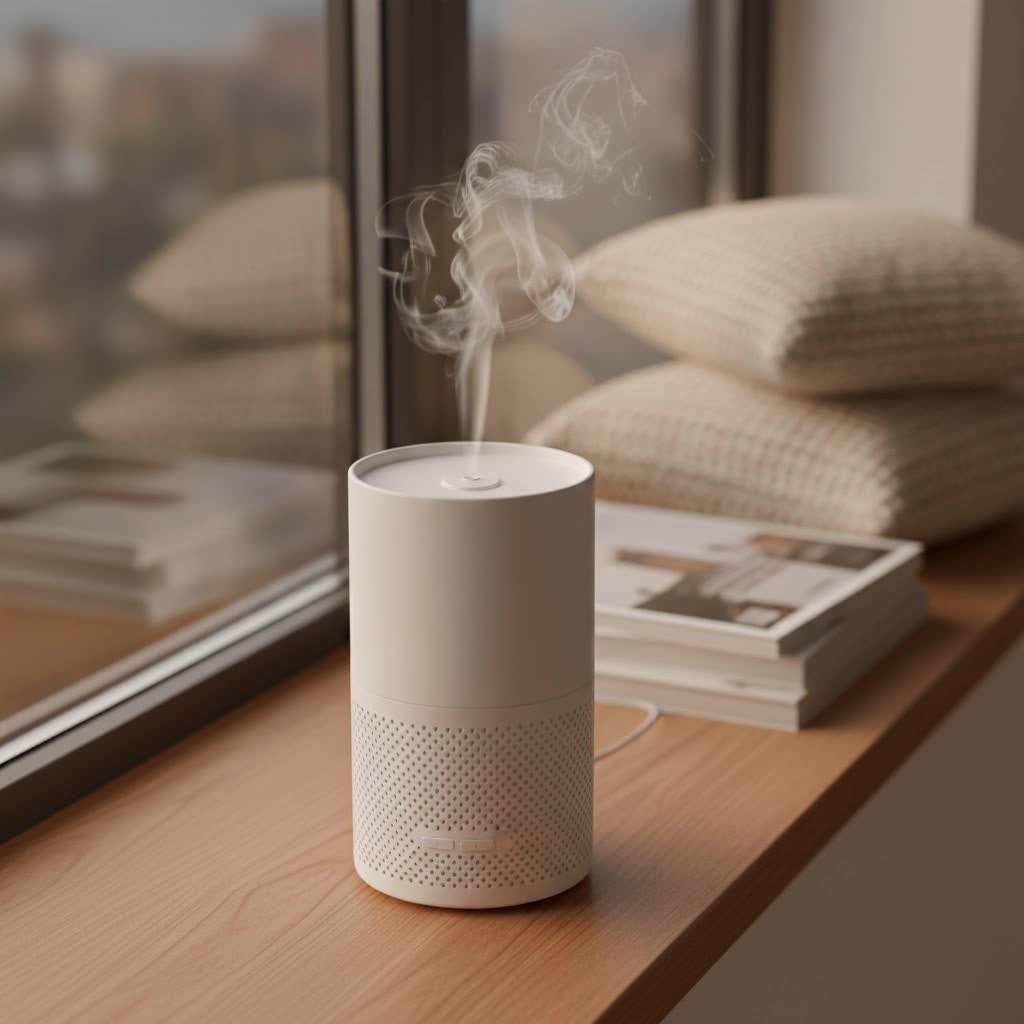
Imagine stepping into your home, greeted by a subtle, inviting fragrance that instantly calms your mind or invigorates your spirit. This isn’t just a dream; it’s the everyday reality for those who embrace the power of a Scent Aroma Diffuser. These elegant devices have transformed how we experience our living and working spaces, offering a simple yet profound way to infuse environments with natural essential oil fragrances and unlock a myriad of wellness benefits. If you’re looking to elevate your ambiance and enhance your well-being, understanding the world of aroma diffusers is your first step towards a more aromatic and harmonious life.
Unveiling the World of Aroma Diffusers
|
Our Picks for the Best Aroma Diffuser in 2026
We may earn a commission when you use one of our links to make a purchase.
|
||
| Num | Product | Action |
|---|---|---|
| 1 | Pure Enrichment® PureSpa™ Essential Oil Diffuser - Compact Ultrasonic Aromatherapy Diffuser, Natural Air Deodorizer, 100ml Water Tank, and Optional Mood Light - Lasts Up to 7 Hours with Auto Shut-Off |

|
| 2 | Aromatherapy Essential Oil Home Diffuser with Remote Control, 300ML Large Room Cool Mist Air Humidifier, 8 Hours Quiet Operation, Timer, 7 Colors LED Night Night,Suitable Home,Yoga. |
|
| 3 | ASAKUKI Essential Oil Diffuser 500ml, Ultrasonic Aromatherapy Humidifier with Remote Control, 7 LED Colors, Timer & Auto-Off, Large Room Diffuser Valentine's Gift (Yellow) |
|
| 4 | SALKING Essential Oil Diffuser, 100ml Small Aromatherapy Diffuser with Auto Shut-Off Function, Ultrasonic Diffusers for Essential Oils, Cool Mist Humidifier with Warm White Lights, for Office Home |
|
| 5 | HealthSmart 500ML Essential Oil Diffuser for Large Rooms, Cool Mist Humidifier and Aromatherapy Diffuser, Adjustable Timer, Mist Mode and 7 LED Light Colors, White (Pack of 1) |
|
| 6 | Pura Plus Smart Home Fragrance Diffuser for Large Spaces - Adjust Scent Intensity, Set Schedules & Timers, and More in Pura App - Fragrances Sold Separately - White |
|
| 7 | ASAKUKI Essential Oil Diffuser 500ml, Ultrasonic Aromatherapy Humidifier with Remote Control, 7 LED Colors, Timer & Auto-Off, Large Room Diffuser Valentine's Gift (White) |
|
| 8 | InnoGear Essential Oil Diffuser, Ultrasonic Diffusers for Home Aromatherapy Humidifier for Bedroom Room 7 Colors LED 2 Mist Mode Auto Off, Basic White |
|
| 9 | ASAKUKI Smart Wi-Fi Essential Oil Diffuser, App and Voice Control Compatible with Alexa, 500ml Aromatherapy Humidifier, Valentine's Gift for Relaxing Atmosphere in Home Office Bedroom (Light Brown) |
|
| 10 | ASAKUKI 300ML Essential Oil Diffuser, Quiet 5-in-1 Premium Humidifier, Home Fragrance Aroma Diffuser with 7 LED Color Changing Light and Auto-Off Switch -Light Brown |
|
An aroma diffuser is more than just a decorative piece; it’s a sophisticated device designed to disperse microscopic particles of essential oils into the air. This process, known as aromatherapy, allows the aromatic compounds to interact with our olfactory system, influencing our mood, emotions, and even cognitive functions. From ancient practices of burning incense to modern ultrasonic marvels, the evolution of scent diffusion highlights humanity’s continuous quest for pleasant and therapeutic environments.
Today, the market offers several popular types of aroma diffusers, each employing a distinct mechanism to release fragrance. Understanding these differences is crucial for choosing the device that best fits your lifestyle and needs.
The Transformative Benefits of Scent Aroma Diffusers
Integrating an aroma diffuser into your daily routine offers a wealth of advantages that extend beyond just a pleasant smell. These benefits stem from the therapeutic properties of essential oils, which can profoundly impact both your physical and mental well-being.
- Relaxation and Stress Reduction: Certain essential oils, like lavender and frankincense, are renowned for their calming effects. Diffusing these scents can create a tranquil atmosphere, helping to alleviate stress, reduce anxiety, and promote a sense of peace after a long day.
- Improved Sleep Quality: For those struggling with restless nights, an aroma diffuser can be a game-changer. Oils such as chamomile and cedarwood can encourage deep relaxation, preparing your body and mind for a more restorative sleep.
- Boosted Mood and Energy: Citrus essential oils, including lemon, orange, and grapefruit, are natural mood elevators. Diffusing them can invigorate your senses, uplift your spirit, and create a positive, energetic ambiance.
- Enhanced Focus and Productivity: Peppermint and rosemary essential oils are known for their ability to sharpen mental clarity and improve concentration. Placing a diffuser in your workspace can help you stay focused and productive throughout the day.
- Air Purification and Respiratory Support: Many essential oils possess natural antibacterial, antiviral, and antifungal properties. Diffusing oils like eucalyptus, tea tree, and peppermint can help purify the air, neutralize odors, and support clearer breathing, especially beneficial during cold and flu season.
“Aroma diffusers offer a simple yet powerful way to harness nature’s therapeutic essences, transforming your environment into a personal sanctuary of well-being.”
Key Considerations When Selecting Your Ideal Aroma Diffuser
Choosing the right aroma diffuser involves a thoughtful evaluation of several factors. By considering your specific needs and preferences, you can ensure your chosen device delivers the optimal aromatic experience.
-
Type of Diffuser:
- Ultrasonic Diffusers: These are arguably the most popular type. They use high-frequency ultrasonic vibrations to create a fine, cool mist of water and essential oils. They are typically quiet, easy to use, and often double as humidifiers. However, they require water and regular cleaning to prevent mineral buildup and mold.
- Nebulizing Diffusers: For the purest and most potent scent experience, nebulizing diffusers are unmatched. They use pressurized air to atomize pure essential oil directly into fine particles, without water or heat. This results in a highly concentrated aroma, but they tend to be noisier, use more oil, and are generally more expensive.
- Heat Diffusers: These diffusers gently warm essential oils to disperse their aroma. They are silent and often more affordable. However, heat can alter the chemical composition of some essential oils, potentially reducing their therapeutic benefits. Examples include electric plates or candle-based warmers.
- Evaporative/Fan Diffusers: These devices use a fan to blow air across a pad or filter infused with essential oils, causing the oil to evaporate and disperse. They are often portable and simple but may offer a less consistent or intense scent compared to ultrasonic or nebulizing types.
- Reed Diffusers: A passive and flameless option, reed diffusers consist of porous reeds inserted into a bottle of scented oil. The oil travels up the reeds and naturally evaporates into the air, providing a continuous, subtle aroma without electricity. They are ideal for smaller spaces or where electricity is impractical.
-
Room Size and Coverage: The diffuser’s capacity and diffusion method should match the area you intend to scent. Larger rooms require more powerful diffusers or those with a wider coverage area. An ultrasonic diffuser with a larger water tank is often recommended for living areas due to its extended run time.
-
Water Tank Capacity & Run Time: If you opt for an ultrasonic diffuser, consider the water tank size. A larger tank means longer continuous operation, reducing the frequency of refills. Some diffusers offer intermittent settings, which conserve oil and extend run time.
-
Material & Aesthetics: Diffusers come in a vast array of designs and materials, from sleek ceramic to natural wood grain or BPA-free plastic. Choose a style that complements your home decor.
-
Additional Features: Many modern diffusers include features like LED ambient lighting, programmable timers, automatic shut-off when water runs low, and even remote controls. These can enhance usability and user experience.
-
Noise Level: While most modern ultrasonic diffusers are designed to be quiet, some nebulizing or fan-based models can produce a noticeable hum. If you plan to use the diffuser in a bedroom or quiet workspace, a silent or near-silent model is paramount.
-
Brand Reputation & Price: Invest in reputable brands to ensure product quality, safety, and durability. Prices vary significantly based on type, features, and brand, so align your choice with your budget while prioritizing reliability.
-
Safety Aspects: Ensure the diffuser is placed on a stable, flat surface, away from electronics, direct sunlight, and heat sources. If you have pets or children, consider diffusers with auto-shutoff features and robust designs to prevent spills or accidental knocks.
A Detailed Comparison of Popular Aroma Diffuser Types
| Feature | Ultrasonic Diffuser | Nebulizing Diffuser | Heat Diffuser | Evaporative/Fan Diffuser | Reed Diffuser |
|---|---|---|---|---|---|
| Mechanism | Water + ultrasonic vibrations = cool mist | Pressurized air atomizes pure oil = fine mist | Gentle warming of oil = evaporation | Fan blows air over oil-infused pad/wick | Reeds soak oil, natural evaporation |
| Water Usage | Yes (also humidifies) | No | No | No | No |
| Scent Intensity | Moderate to Strong | Very Strong (pure oil) | Mild to Moderate | Mild to Moderate | Subtle, Continuous |
| Therapeutic Integrity | Preserves oil integrity | Preserves oil integrity (no dilution/heat) | Can alter oil properties due to heat | Can alter oil properties due to rapid evaporation | Preserves oil integrity |
| Coverage Area | Medium to Large | Large (most effective) | Small to Medium | Small to Medium | Small |
| Noise Level | Very Quiet | Noticeable hum (pump sound) | Silent | Low fan noise | Silent |
| Maintenance | Regular cleaning (water tank) | Less frequent, but careful cleaning of glass | Easy (wipe tray) | Replace pads/wicks | Replace reeds periodically |
| Typical Price Range | Mid-range | High-end | Low-end | Low-end to Mid-range | Low-end |
| Pros | Quiet, humidifies, preserves oils, auto-shutoff | Strongest aroma, no water needed, pure oil | Silent, affordable, simple | Portable, battery-operated options | No electricity, flameless, continuous scent |
| Cons | Requires water, regular cleaning | Can be noisy, uses more oil, expensive | Heat alters oils, less therapeutic | Less intense, oil evaporates faster | Very subtle, limited coverage, no control over intensity |
Top Tips for Using and Maintaining Your Scent Aroma Diffuser
To maximize the life and effectiveness of your aroma diffuser, proper usage and consistent maintenance are key.
-
Proper Setup and Usage:
- Placement: Position your diffuser in an open area, away from walls, direct sunlight, or heat sources, to ensure even scent distribution. Avoid placing it directly next to electronics or porous materials that could be damaged by mist. For wider scent spread, a high shelf can be ideal.
- Water and Oil Levels: Always use clean, room-temperature tap or filtered water for ultrasonic diffusers, and never overfill past the marked line. Start with 2-5 drops of pure essential oil. Remember, “less is more” – using too much oil can be overpowering and may irritate airways.
- Run Time: Avoid running your diffuser continuously all day. Optimal use often involves sessions of 30-60 minutes, followed by a break, to prevent over-humidifying the air and conserve essential oils. Many diffusers come with timers for this purpose.
- Secure Lid: Ensure the lid is securely closed before turning on the device to build proper pressure for mist dispersion.
-
Regular Cleaning:
- Frequency: Clean your diffuser every 3-5 uses or whenever you change essential oils to prevent buildup of oil residue and mineral deposits.
- Method: Unplug the diffuser and empty any remaining water. Wipe the inside of the water tank with a damp cloth. For stubborn residue, use a cotton swab dipped in rubbing alcohol, especially on the ultrasonic plate. Weekly, you can use a diluted white vinegar solution to thoroughly clean the reservoir and remove any potential mold or mineral buildup, then rinse thoroughly and air dry.
- Preventing Mold: Regular cleaning is crucial to prevent mold, which can form if water sits unused or the tank remains damp.
-
Common Mistakes to Avoid:
- Using Too Much Oil: This can lead to headaches, overwhelm a room, and waste your precious essential oils.
- Continuous Running: Prolonged operation can reduce the diffuser’s lifespan and over-humidify your space. Use timers!
- Using Synthetic Fragrance Oils: Only use pure essential oils or water-based, diffuser-safe blends. Synthetic fragrance oils can contain harmful chemicals, clog your diffuser, and negate the therapeutic benefits of aromatherapy.
Where to Purchase Your Scent Aroma Diffuser
Finding a quality aroma diffuser is easier than ever, with numerous options available both online and in brick-and-mortar stores.
- Online Retailers: Websites like Amazon, dedicated aromatherapy stores, and even major home goods retailers offer a vast selection. Look for brands with strong positive reviews and clear product specifications.
- Specialized Aromatherapy Stores: These stores often provide expert advice and a curated selection of high-quality diffusers and essential oils.
- Department and Home Goods Stores: Many larger retailers carry a range of diffusers, particularly ultrasonic models.
When buying online, always read customer reviews, check the product’s return policy, and verify the materials used, especially for ultrasonic diffusers (look for BPA-free plastic or glass).
Your Essential Aroma Diffuser Buying Guide
Navigating the world of scent aroma diffusers doesn’t have to be overwhelming. Follow this simple guide to make an informed decision:
- Define Your Needs: What benefits are you seeking (relaxation, focus, air purification)? What’s the size of the room you want to scent?
- Choose Your Type: Based on your needs, decide which diffuser type (ultrasonic, nebulizing, heat, evaporative, reed) aligns best with your preferences for intensity, maintenance, and noise level.
- Consider Key Features: Prioritize water tank capacity, run time, auto-shutoff, and any additional features like lighting or timers that enhance your experience.
- Match Aesthetics and Budget: Select a design that complements your space and a model that fits comfortably within your budget, without compromising on quality or safety.
- Read Reviews and Compare: Before purchasing, check reviews for reliability, ease of use, and effectiveness. Compare options across different brands and retailers.
- Prioritize Pure Oils: Remember that the diffuser is only as good as the oils you put in it. Always choose pure, high-quality essential oils for the best therapeutic results and diffuser longevity.
A scent aroma diffuser is a powerful tool for transforming your environment and enhancing your well-being. By carefully considering your options and following best practices, you can create an aromatic haven that nurtures your body and soothes your soul. What scent will you choose to transform your space today?
Câu Hỏi Thường Gặp
How often should I clean my aroma diffuser?
It’s recommended to clean your aroma diffuser every 3-5 uses or whenever you switch to a different essential oil. Regular cleaning prevents the buildup of essential oil residue and mineral deposits, ensuring optimal performance and preventing mold growth.
Can I use fragrance oils instead of essential oils in my diffuser?
No, it is highly recommended to only use pure essential oils or water-based, diffuser-safe blends. Fragrance oils are often synthetic, may contain chemicals that can damage your diffuser, and do not offer the therapeutic benefits associated with pure essential oils.
How many drops of essential oil should I use in my diffuser?
Start with 2-5 drops of essential oil for most ultrasonic diffusers. The ideal amount can vary based on the oil’s potency, the diffuser’s capacity, and your personal preference. It’s best to start with fewer drops and add more if you desire a stronger aroma.
Can aroma diffusers cause mold?
Yes, if not cleaned regularly, especially ultrasonic diffusers that use water. Stagnant water and oil residue can create an environment conducive to mold growth. Consistent cleaning and ensuring the diffuser air-dries between uses are essential to prevent this.
Is it safe to run an aroma diffuser all night?
While many diffusers have automatic shut-off features, it’s generally not recommended to run them continuously all night. Prolonged exposure to essential oils, even natural ones, can sometimes lead to sensitivity. Short, intermittent sessions (e.g., 30-60 minutes) are often more effective and safer.