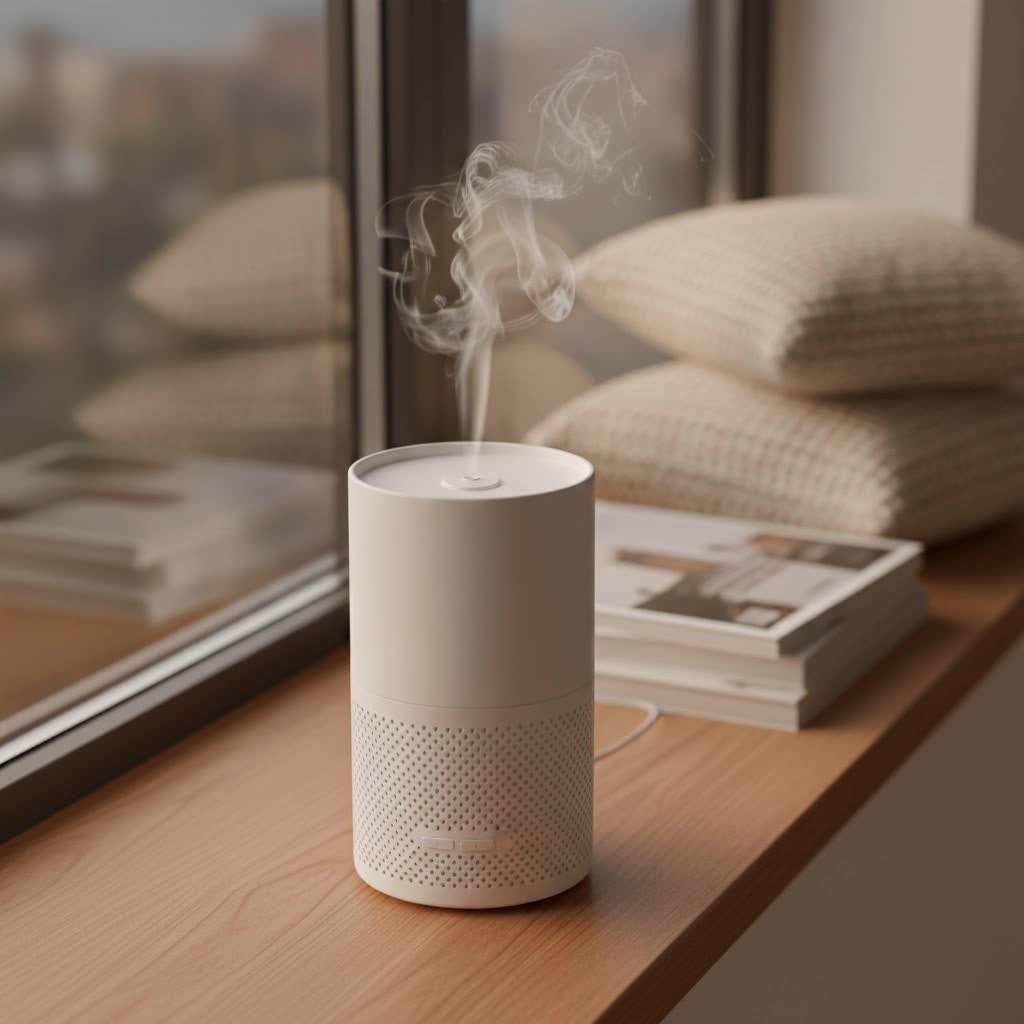
Imagine walking into a space where the air itself tells a story, a subtle fragrance enhancing every moment without a visible source. This isn’t magic; it’s the sophisticated power of an Hvac Aroma Diffuser, a revolutionary way to scent large environments consistently and discreetly. For homeowners and businesses alike, these advanced systems offer a seamless integration of delightful aromas into the very fabric of their spaces, moving beyond the limitations of traditional diffusers to transform ambiance and well-being on an expansive scale. This comprehensive guide will navigate the world of HVAC aroma diffusers, exploring their underlying technology, the myriad benefits they offer, crucial factors for selection, and how to maximize their potential to create truly captivating environments.
Understanding HVAC Aroma Diffusers
At its core, an HVAC aroma diffuser is a device designed to disperse essential or fragrance oils throughout an entire property by connecting directly to its heating, ventilation, and air conditioning (HVAC) system. Unlike conventional diffusers that typically cover a single room or small area using heat or water, HVAC diffusers leverage the existing ductwork to distribute scent widely and uniformly. This integration ensures that the chosen aroma permeates every corner connected to the HVAC system, creating a cohesive olfactory experience.
The most prevalent and effective technologies employed by these systems are cold-air diffusion and nebulization. Cold-air diffusion works by using pressurized air to break down essential oils into a very fine, dry mist of nanoparticles. This method ensures that the oils retain their therapeutic properties, as no heat or water is used, preventing alteration of the oil’s chemical structure. Similarly, advanced dual-fluid nebulization technology preserves 100% of essential oil molecules, achieving a uniform and delicate scent diffusion that is often visibly fine. Both technologies prevent residue buildup and mold growth, which can be concerns with water-based diffusers, delivering a clean and consistent fragrance experience.
The Multifaceted Benefits of HVAC Scenting
The advantages of integrating an HVAC aroma diffuser extend far beyond simply making a space smell pleasant. They tap into the profound connection between scent and human experience, offering both practical and psychological benefits.
For businesses, scenting creates a memorable brand identity and a welcoming atmosphere that can significantly influence customer perception and behavior. Hotels, retail spaces, and offices often utilize specific aromas to evoke feelings of luxury, comfort, or productivity. In residential settings, the ability to effortlessly maintain a consistent, pleasant scent throughout a large home contributes to an enhanced living experience, creating a more inviting and harmonious environment.
Beyond ambiance, the psychological and physiological impacts are noteworthy. Certain essential oils, when diffused, are known for their calming properties, helping to reduce stress and anxiety, and even promoting deeper, more restorative sleep, particularly with scents like lavender. Conversely, invigorating aromas such as mandarin or lemongrass can sharpen mental acuity, enhance focus, and boost productivity, making them ideal for workspaces or study areas. The subtle infusion of these scents helps to banish mental fog and promotes alertness.
Furthermore, HVAC scenting systems are highly effective at neutralizing unwanted odors, rather than just masking them. They can eliminate stale air, pet odors, cooking smells, or mustiness, leaving behind a fresh, clean backdrop for the chosen aroma. While primarily for scent, some advanced diffusers also incorporate air purification features, helping to remove airborne impurities and allergens, which can contribute to improved respiratory health and overall well-being. This efficient and consistent scent distribution across vast and multi-zone areas makes them a superior choice for comprehensive space transformation.
Key Factors to Consider When Selecting an HVAC Aroma Diffuser
Choosing the right HVAC aroma diffuser requires careful consideration of several technical and practical aspects to ensure it meets specific needs and delivers optimal performance.
Diffusion Technology: As discussed, cold-air diffusion and nebulization are paramount. Prioritize systems that utilize these methods to ensure the integrity of the essential oils, prevent residue, and maintain a consistent, high-quality scent. Understanding the nuances between cold-air and dual-fluid nebulization can help in selecting a system that offers the desired fineness of mist and oil consumption efficiency.
Coverage Area: This is a critical factor. HVAC diffusers are designed for various scales, from large residential homes to expansive commercial properties. Systems can typically cover anywhere from 1,000 to 5,000 square feet or more. It is essential to choose a model with a capacity that precisely matches the total square footage of the space you intend to scent to achieve uniform distribution without oversaturation or weak spots.
Oil Capacity and Run Time: The capacity of the essential oil reservoir directly impacts how frequently you’ll need to refill the device. Larger capacities (e.g., 500ml, 800ml, or even 2L cartridges) allow for extended periods of continuous operation, reducing maintenance frequency—a significant benefit for large commercial applications or busy households.
Control Features: Modern HVAC diffusers often come equipped with advanced control options. Look for systems with smart app control (via Bluetooth or Wi-Fi) that allow you to easily adjust scent intensity levels, program detailed schedules for specific days and times, and set work/break intervals. Remote controls are also a convenient feature for on-the-fly adjustments. These features provide unparalleled flexibility and customization.
Noise Level: A silent operation is crucial for maintaining a serene environment, especially in homes, offices, or hospitality settings. High-quality HVAC diffusers are engineered to operate quietly, ensuring that the scent experience is seamless and unobtrusive.
Material and Durability: Invest in a diffuser constructed from durable, high-quality materials, such as premium alloys. This ensures longevity, reliability, and safe operation, particularly as these systems often run for extended periods.
Maintenance and Refills: Consider the ease of cleaning and the availability of refill options. Systems with easily replaceable scent cartridges or standard essential oil refills simplify the maintenance process and allow for effortless experimentation with different aromas. A wide variety of available scents from the manufacturer or compatible sources is also a plus.
Brand Reputation and Price: While specific brands are not highlighted here, research reputable manufacturers known for their reliability, customer support, and product innovation in the scent diffusion industry. Prices can vary significantly based on coverage area, technology, and features, so aligning your budget with your needs is essential.
Types of HVAC Aroma Diffusers: A Closer Look
While “types” often refer to the underlying diffusion technology, it’s helpful to understand the nuances that differentiate them. The primary distinction lies in how the essential oil is transformed into an airborne mist.
Cold-Air Diffusion Systems: These are the most common and highly regarded for HVAC integration. They employ a pump that pressurizes air, sending it through a diffuser where it atomizes the essential oil into ultra-fine, dry particles. These microscopic particles are then released directly into the HVAC ductwork.
- Advantages: Preserves the therapeutic properties of essential oils by avoiding heat; prevents condensation and residue buildup; highly efficient for large areas; provides a consistent and pure scent experience.
- Disadvantages: Typically requires pure essential oils or specialized fragrance oils; may be more expensive upfront than simpler diffusers.
Dual-Fluid Nebulization Systems: A more advanced form of cold-air diffusion, these systems often use two fluids (air and oil) to create an even finer, more uniform mist. The precision of this method ensures that every oil molecule is dispersed effectively.
- Advantages: Delivers an incredibly delicate and uniform scent, often visible under natural light; highly efficient in oil consumption, saving up to 30% compared to other methods; exceptional for maintaining consistent fragrance levels.
- Disadvantages: Can be more complex in design and potentially higher in cost; still requires pure oils.
While other diffusers exist (ultrasonic, evaporative, heat), only cold-air and nebulizing technologies are suitable for direct HVAC connection due to their ability to produce a dry, fine mist that won’t damage ducts, create humidity, or alter oil integrity.
Maximizing Your HVAC Scenting Experience
Once you’ve selected your HVAC aroma diffuser, proper installation, usage, and maintenance are key to unlocking its full potential and ensuring a long-lasting, effective scenting experience.
Installation: For optimal performance, HVAC aroma diffusers should be professionally installed directly into your HVAC system’s ductwork. This ensures seamless integration, proper calibration with your existing airflow, and maximizes scent distribution efficiency. While some smaller units might offer simpler setup, connecting to the main HVAC system usually requires expert knowledge to avoid affecting air quality or system performance. The diffuser taps into the air stream, utilizing the blower fan to carry the scent throughout the building.
Essential Oil Selection: The choice of essential oils profoundly impacts the atmosphere you create. Consider the purpose of each area. For relaxation in bedrooms or common areas, lavender, chamomile, or sandalwood are excellent choices. For enhancing focus and energy in workspaces, consider peppermint, lemon, or rosemary. Public spaces might benefit from uplifting citrus blends or elegant floral notes. Always use high-quality, pure essential oils or specifically formulated fragrance oils designed for nebulizing diffusers to ensure both safety and optimal performance. Avoid synthetic oils that could damage the unit or negatively impact air quality.
Usage Tips:
- Start subtle: Begin with a low intensity setting and gradually increase it until you reach your desired scent level. Oversaturation can be overwhelming.
- Schedule strategically: Utilize the programmable timer features to activate the diffuser only when needed—during business hours, evening entertaining, or specific times of day at home. This conserves oil and maintains a fresh scent profile.
- Rotate scents: Periodically changing your chosen aroma can prevent “olfactory fatigue,” where you become accustomed to a scent and no longer notice it.
Cleaning and Maintenance: Regular cleaning is vital for the longevity and efficient operation of your diffuser. Follow the manufacturer’s instructions, but typically this involves:
- Draining and cleaning the oil reservoir: Use a clean cloth and a small amount of rubbing alcohol to remove any residual oil.
- Cleaning the nebulizer: Some systems allow for easy removal and cleaning of the nebulizing mechanism. A quick soak in rubbing alcohol can clear any blockages.
- Replacing filters (if applicable): Some advanced systems may have small air filters that need periodic replacement.
These steps prevent clogs, maintain the purity of the scent, and extend the life of your device.
Investing in an HVAC Scenting System
Acquiring an HVAC aroma diffuser is an investment in the sensory experience of your environment. These advanced systems are typically available through specialized scent marketing companies, dedicated online retailers, or sometimes through HVAC professionals who offer scenting solutions as part of their services.
When purchasing, look beyond just the initial price. Consider the warranty provided, the availability and cost of replacement essential oils or cartridges, and the level of customer support offered by the vendor. Reading customer reviews and professional assessments can also provide valuable insights into a product’s reliability and performance. Prioritize products that emphasize safety standards, especially concerning the quality of materials and the diffusion of pure essential oils, ensuring a healthy and pleasant experience for all occupants.
Conclusion
HVAC aroma diffusers represent the pinnacle of large-scale scenting technology, offering an unparalleled ability to transform any environment through the power of fragrance. By utilizing sophisticated cold-air diffusion or nebulization, these systems seamlessly integrate into your existing climate control, delivering consistent, residue-free aromas across vast spaces. The benefits are profound, ranging from enhancing ambiance and mood to reducing stress, improving focus, and neutralizing unwanted odors. When selecting a system, consider critical factors such as diffusion technology, coverage area, oil capacity, and smart control features to ensure it aligns perfectly with your needs. By understanding these intelligent scenting solutions, you gain the power to craft truly immersive and memorable sensory experiences. Are you ready to elevate your space with the subtle art of fragrance?
Câu Hỏi Thường Gặp
How often should I refill my HVAC aroma diffuser?
|
Our Picks for the Best Aroma Diffuser in 2026
We may earn a commission when you use one of our links to make a purchase.
|
||
| Num | Product | Action |
|---|---|---|
| 1 | Pure Enrichment® PureSpa™ Essential Oil Diffuser - Compact Ultrasonic Aromatherapy Diffuser, Natural Air Deodorizer, 100ml Water Tank, and Optional Mood Light - Lasts Up to 7 Hours with Auto Shut-Off |

|
| 2 | InnoGear Essential Oil Diffuser, Ultrasonic Diffusers for Home Aromatherapy Humidifier for Bedroom Room 7 Colors LED 2 Mist Mode Auto Off, Basic White |
|
| 3 | ASAKUKI Essential Oil Diffuser 500ml, Ultrasonic Aromatherapy Humidifier with Remote Control, 7 LED Colors, Timer & Auto-Off, Large Room Diffuser Valentine's Gift (White) |
|
| 4 | ASAKUKI 300ML Essential Oil Diffuser, Quiet 5-in-1 Premium Humidifier, Home Fragrance Aroma Diffuser with 7 LED Color Changing Light and Auto-Off Switch -Light Brown |
|
| 5 | SALKING Essential Oil Diffuser, 100ml Small Aromatherapy Diffuser with Auto Shut-Off Function, Ultrasonic Diffusers for Essential Oils, Cool Mist Humidifier with Warm White Lights, for Office Home |
|
| 6 | Pura Plus Smart Home Fragrance Diffuser for Large Spaces - Adjust Scent Intensity, Set Schedules & Timers, and More in Pura App - Fragrances Sold Separately - White |
|
| 7 | ASAKUKI Smart Wi-Fi Essential Oil Diffuser, App and Voice Control Compatible with Alexa, 500ml Aromatherapy Humidifier, Valentine's Gift for Relaxing Atmosphere in Home Office Bedroom (Light Brown) |
|
| 8 | HealthSmart 500ML Essential Oil Diffuser for Large Rooms, Cool Mist Humidifier and Aromatherapy Diffuser, Adjustable Timer, Mist Mode and 7 LED Light Colors, White (Pack of 1) |
|
| 9 | ASAKUKI Essential Oil Diffuser 500ml, Ultrasonic Aromatherapy Humidifier with Remote Control, 7 LED Colors, Timer & Auto-Off, Large Room Diffuser Valentine's Gift (Yellow) |
|
| 10 | Aromatherapy Essential Oil Home Diffuser with Remote Control, 300ML Large Room Cool Mist Air Humidifier, 8 Hours Quiet Operation, Timer, 7 Colors LED Night Night,Suitable Home,Yoga. |
|
The refill frequency depends on the diffuser’s oil capacity, the set intensity, and how often it’s scheduled to run. Systems with larger reservoirs (e.g., 500ml or more) can last several weeks to months with moderate use, while smaller units will require more frequent replenishment.
Are HVAC diffusers safe for pets and children?
When used with 100% pure, natural essential oils and following manufacturer guidelines, HVAC diffusers utilizing cold-air or nebulizing technology are generally considered safe. However, always research specific essential oils for any known pet or child sensitivities and consult with a vet or pediatrician if you have concerns.
Can I use any essential oil in an HVAC diffuser?
It is highly recommended to use only pure essential oils or specialized fragrance oils explicitly designed for nebulizing or cold-air diffusers. Using diluted oils, carrier oils, or synthetic fragrances can clog the nebulizer, damage the machine, or produce an inconsistent scent.
What’s the difference between an HVAC diffuser and a regular diffuser?
An HVAC diffuser connects to your building’s HVAC system to distribute scent throughout large, multi-zone areas uniformly, typically using cold-air or nebulization technology. A regular diffuser is a standalone unit designed to scent a single room, often using water and ultrasonic vibrations or heat.
How do I install an HVAC scent diffuser?
Installation generally involves connecting the diffuser’s output directly into the main supply ductwork of your HVAC system. While some smaller models might be DIY-friendly, professional installation is often recommended, especially for larger systems, to ensure proper integration, optimal airflow, and to avoid compromising your HVAC system’s efficiency or air quality.